

A wine decanter is the simplest piece of equipment that will make a bottle taste better — and one of the most misunderstood. Most people either use one for everything or never use one at all. The truth sits comfortably in between: decanting does two very specific jobs, and knowing when a wine needs them turns a good bottle into a memorable one. Here is how to choose a decanter and use it the way a sommelier would.
What decanting actually does
Two jobs. That is all, but they matter enormously.
The first is aeration. Pouring wine into a wide vessel exposes it to oxygen, which softens firm tannins and coaxes out aromas that were locked away in the bottle. A young, muscular red that tastes tight and closed on opening can bloom within half an hour in a decanter — the same wine, transformed. The second job is separating sediment. Older reds and unfiltered bottles throw a deposit over the years, and pouring the wine slowly off that sediment leaves you with a clean, bright glass instead of a gritty last mouthful (both are the decanter’s traditional purposes).
Notice that these two jobs pull in opposite directions. A young wine wants maximum air. An old, fragile wine wants as little as possible — it needs the sediment removed, then to be drunk promptly before it fades. That tension explains almost every decision that follows.
Which wines need decanting — and which don’t
Young, tannic reds are the clearest case. Bold, structured wines built for ageing but opened early benefit most, and they are forgiving: an hour in the decanter rarely does harm and usually does good.
Old reds need the opposite touch. Decant them for sediment, not for air, and serve soon after — a delicate mature wine can lose its perfume within the hour. Vintage Port and other unfiltered fortified wines almost always require it. And white wines? Here is the honest answer most guides skip: rich, complex whites can genuinely open up with a short decant, though crisp, aromatic styles are usually better straight from the bottle. As for everyday, easy-drinking bottles — pour and enjoy. Not every wine is improved by ceremony.
How long should you decant?
There is no universal timer, but there are reliable rules of thumb. A young, powerfully tannic red typically wants sixty minutes or more. A medium-bodied red usually finds its stride in thirty. A mature wine over roughly fifteen years old should be poured and served within minutes of settling. Rich whites need only a short spell — fifteen to twenty minutes is plenty.
The far better method is simply to taste. Pour a small measure when the wine goes into the decanter, taste again after twenty minutes, and again at forty. You will feel the wine open, plateau, and eventually begin to flatten. Do this a few times and you will stop needing rules altogether — which is, more or less, what separates a sommelier from the rest of us.
How to decant properly, step by step
If the bottle is old, stand it upright for a day beforehand so the sediment settles to the base. Remove the entire capsule and wipe the neck clean. Then pour slowly and steadily, tilting the decanter rather than splashing the wine in — unless you deliberately want a young wine to take a bracing gulp of air, in which case let it run down the shoulder of the vessel.
The classic sommelier’s trick is to place a light source — a candle, traditionally — beneath the neck of the bottle as you pour. The moment you see the first dark wisp of sediment reach the shoulder, you stop. The last centimetre stays behind, and the wine in the decanter is flawless. It looks theatrical. It is actually just practical.
Choosing the right decanter: shape, material and practicality
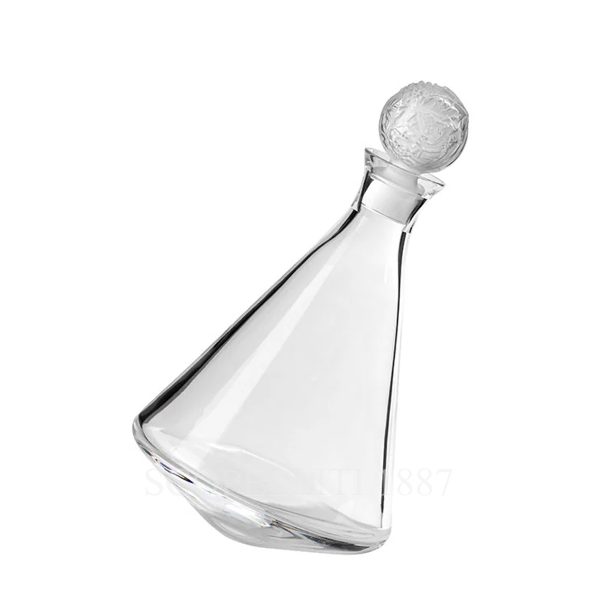
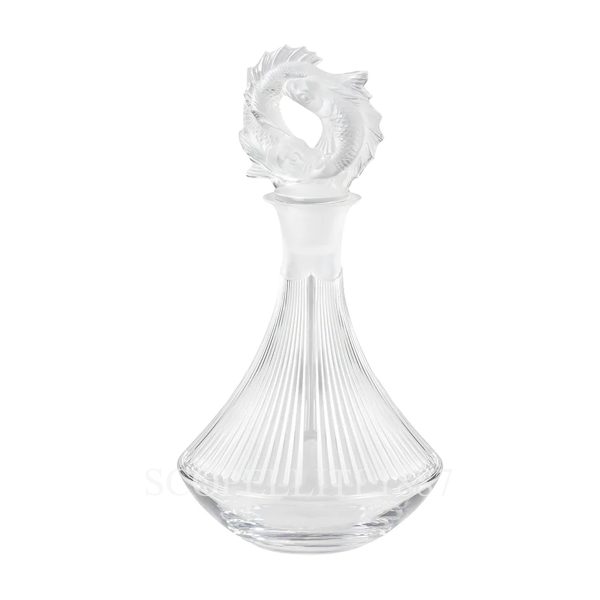
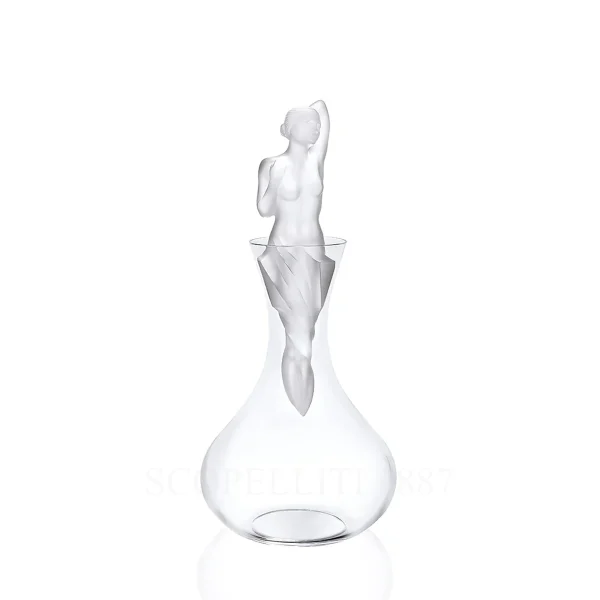
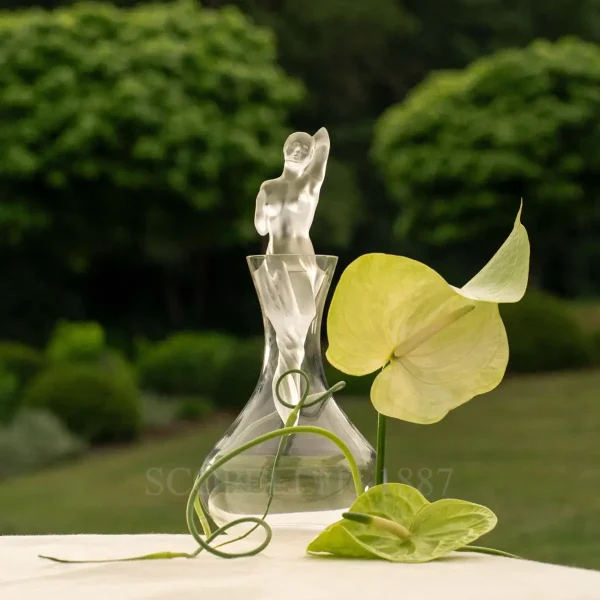
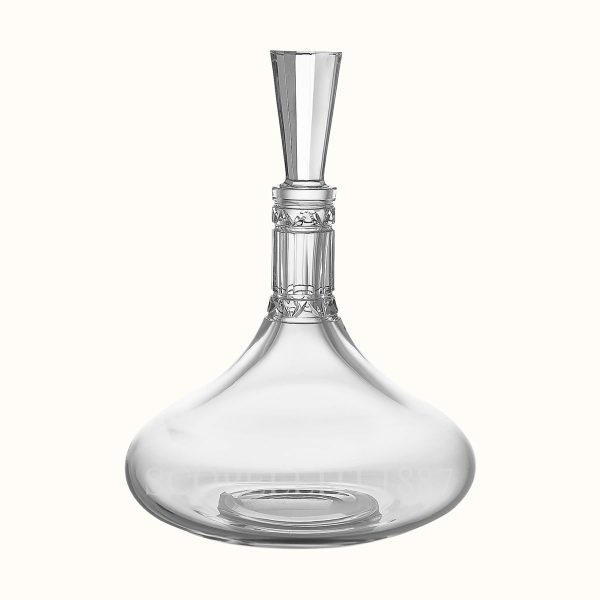
Shape is function. A wide, generously bowled decanter creates a large surface area and aerates aggressively — perfect for young reds that need waking. A narrow, more upright shape limits contact with air, which is exactly what a fragile old wine wants. The theatrical duck or swan forms are shaped to control the flow and the aeration at once, and they are undeniably beautiful on a table.
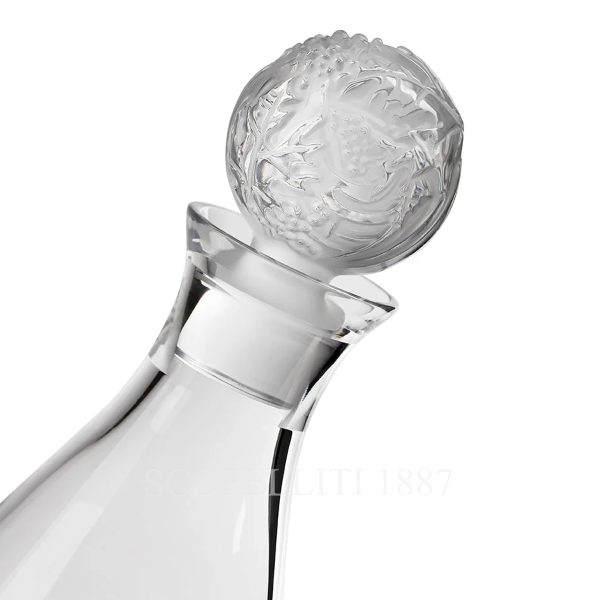
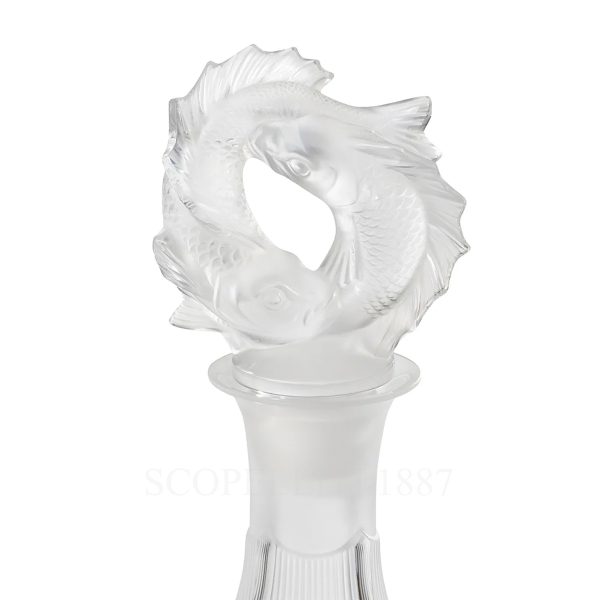
Material matters too. Fine crystal offers clarity that shows the wine’s true colour and a weight that feels considered in the hand — a decanter is, after all, the object your guests look at all evening. Beyond looks, check the practicalities: is the opening wide enough to clean and dry, is the base stable, does it pour without dribbling, and can you actually lift it comfortably when full? A decanter you find awkward is a decanter that stays in the cupboard. Browse the range of decanters and pitchers to compare the shapes in the metal, so to speak.
If your interest runs towards spirits, collectible pieces and stoppered designs, our dedicated guide to the crystal decanter covers that territory in detail. And for a broader view of how decanters sit alongside the rest of fine glassware, the complete guide to luxury crystal glassware is the place to start.
Caring for a decanter
Rinse it with warm water immediately after use — before the wine dries and stains. Skip detergent where you can, since residue taints the next bottle, and never put a fine crystal decanter in the dishwasher. For stubborn marks, a little warm water with decanter beads or a soft brush does the job without scratching.
Drying is where most people go wrong. Invert the decanter on a stand or a folded cloth so air circulates and moisture escapes; sealing a damp decanter with its stopper is the surest way to create a musty smell you will fight for months. Store it with the stopper alongside rather than in place.
A decanter as a gift
Few objects work as well as a present for someone who loves wine. A decanter is used, admired and remembered — it earns a place on the table rather than in a drawer. Paired with a good bottle it becomes a complete gesture, and unlike most gifts it improves the very thing it accompanies. As an authorized retailer of the world’s leading crystal houses for more than 130 years, Scopelliti 1887 selects each piece for exactly that balance of beauty and use.
Key points at a glance
A wine decanter does two jobs: it aerates wine, softening tannins and releasing aromas, and it separates sediment from older or unfiltered bottles. Young tannic reds benefit most and can take an hour or more; mature reds should be decanted for sediment only and served within minutes; vintage Port almost always needs it; rich whites want just fifteen to twenty minutes.
Stand old bottles upright for a day first, then pour slowly over a light source and stop when sediment reaches the shoulder. Choose a wide-bowled shape for aeration and a narrow one for fragile wines, checking that it cleans, pours and lifts easily. Rinse with warm water straight after use, dry inverted without the stopper, and never use the dishwasher on fine crystal.
Frequently asked questions about wine decanters
What is the point of a wine decanter?
A wine decanter serves two purposes: aerating the wine, which softens tannins and releases aromas, and separating sediment from older or unfiltered bottles so the wine pours clear. Young tannic reds benefit from the air; old wines mainly need the sediment removed.
How long should wine be decanted?
As a guide, young tannic reds want an hour or more, medium-bodied reds around thirty minutes, and rich whites fifteen to twenty. Mature wines over roughly fifteen years old should be served within minutes of decanting. Tasting as you go is more reliable than any fixed time.
Which wines should not be decanted?
Crisp, aromatic white wines and light, everyday bottles generally gain nothing from decanting. Very old, delicate reds should be decanted only to remove sediment and served immediately, as extended air exposure can cause them to lose their perfume quickly.
How do you clean a wine decanter?
Rinse with warm water immediately after use, avoiding detergent where possible since residue can taint the next bottle. Use decanter beads or a soft brush for stubborn marks, never a dishwasher for fine crystal, and dry inverted on a stand with the stopper removed.
Let the bottle show what it can do
Decanting is not ceremony for its own sake. It is a small act of attention that lets a wine say everything it has to say — and once you have tasted the same bottle before and after, you will not go back.
Discover decanters worthy of the wine — explore the decanters and pitchers collection at Scopelliti 1887, or speak with our advisors for a recommendation suited to the bottles you love.