Finding gifts for someone who has everything is less a shopping problem than a question of attention. The person in question already owns the good watch, the well-cut jacket and probably a cellar that deserves its own inventory. What they rarely have is an object chosen with real knowledge of who they are: something made slowly, by a house with a long memory, that will still be on the table or the shelf in thirty years. Since 1887 our family has advised collectors, hosts and the people who shop for them, and the same pattern repeats. The gifts that land are not the most conspicuous ones. They are the most considered. This guide sets out how a curator thinks about the brief, which categories reward the effort, and how to match a piece to a passion when the budget is simply not the point.
Why the person who has everything is hard to buy for
The difficulty is not scarcity of options. It is saturation. Someone with means and taste has usually solved the obvious needs, so anything functional risks duplicating what they already own, and anything novel risks being clutter. Add a second layer: many of these people are discerning about craftsmanship. A glass that looks like crystal but lacks its weight, or a plate with a transfer print pretending to be hand painted, will be noticed.
That is why the usual gift lists, built around gadgets and subscription boxes, tend to miss. They answer the question “what is new?” when the better question is “what will last, and what will mean something?” That shift alone changes where you look.
There is also an emotional dimension that is easy to underestimate. Research published in the Journal of Consumer Research by Cindy Chan and Cassie Mogilner found that experiential gifts strengthen relationships more than material ones, largely because they are more emotionally evocative when they are used. The lesson for luxury gifting is not to abandon objects. It is to choose objects that create experiences: a decanter that turns every bottle into a small ceremony, a set of coupes that makes a celebration feel like an occasion.
Four principles a curator uses before choosing
When clients come to us with this brief, we rarely start with products. We start with a handful of questions that narrow the field quickly and keep the choice honest.
Choose the ritual, not the object
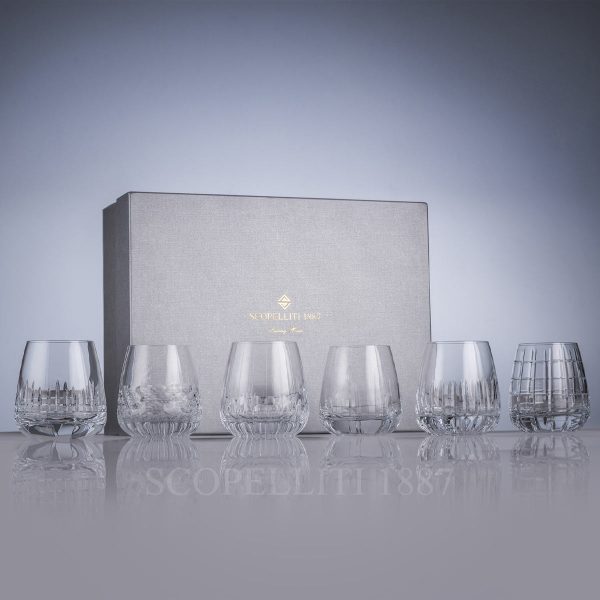
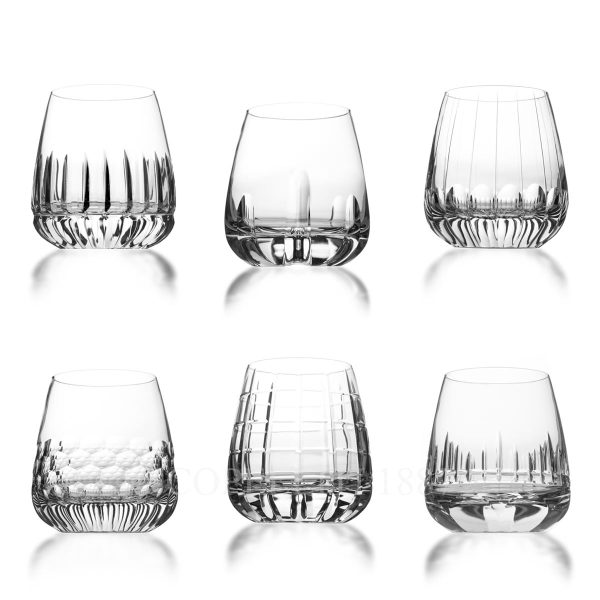
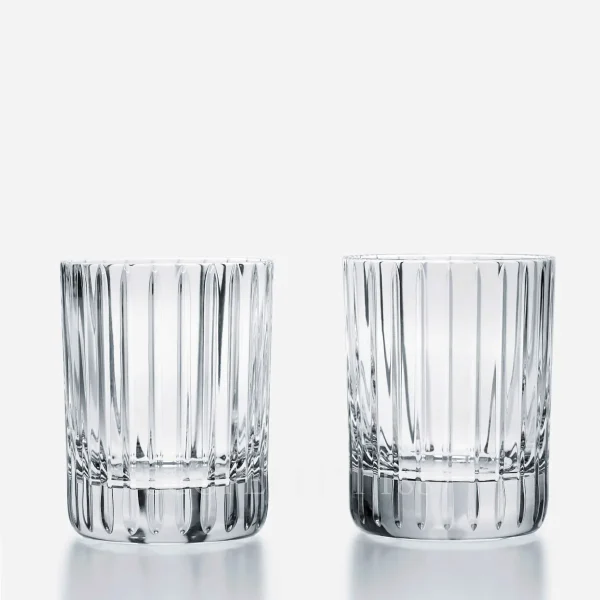
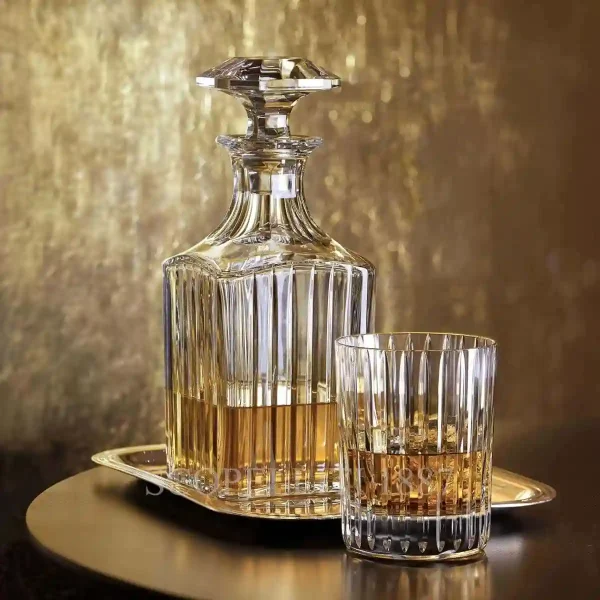
Ask what the recipient does repeatedly and with pleasure. Pours a whisky at the end of the week. Hosts Sunday lunch. Arranges flowers from the market. Reads with an espresso at seven in the morning. A gift that attaches itself to a ritual is used, and a gift that is used is remembered. A Baccarat tumbler for the man who ends his day with a single malt will outlive a dozen clever accessories.
Favour provenance over novelty
Houses with centuries of practice offer something no start-up can: a story the recipient can retell. Baccarat, for example, traces its origins to 1764 in the French village that gives it its name, and its own account of the history of the Maison records the perfection of a crystal formula in 1816 and collaborations with figures from Salvador Dalí to Philippe Starck. That lineage becomes part of the gift.
Think in decades
Heirloom quality is a practical criterion, not a sentimental one. Sterling silver, hand-cut crystal and hard-paste porcelain are materials that can be repaired, polished and passed on. Before choosing, picture the piece in the hands of the recipient’s children. If that image is plausible, you are on the right track.
Leave room for discovery
The best gifts for people who have everything often introduce something adjacent to what they already love. The wine collector may never have considered a hand-blown Venini vase for the dining room; the design enthusiast who owns Fornasetti plates may not know Puiforcat silver. A gift that opens a door is more generous than one that fills a gap.
Heirloom objects that justify the word luxury
Luxury gift ideas become meaningful when the object carries craft, time and a name that will still be recognised generations from now. A few categories consistently meet that standard.
Silver. Puiforcat, founded in Paris in the early nineteenth century and today part of the Hermès group, is often described as the haute couture of silversmithing. A single piece, such as a serving spoon, a tumbler or a small bowl, is a serious gift in its own right. Christofle offers a more contemporary vocabulary: the Mood collection, a flatware set for six stored in a sculptural egg-shaped case, is a favourite for those who appreciate design as much as heritage.
Crystal. A decanter is perhaps the definitive gift for the host who seems to lack nothing, because it sits between function and sculpture. Our guide to choosing a crystal decanter as the centrepiece of the bar explains how shape, lead content and stopper design affect both the pour and the look. Baccarat, Saint-Louis and Lalique each interpret the object in a distinct voice: architectural, jewel-like and sculptural respectively.
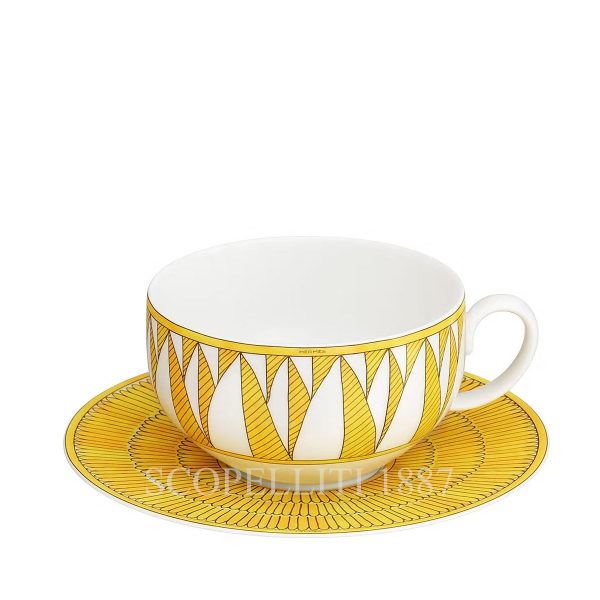
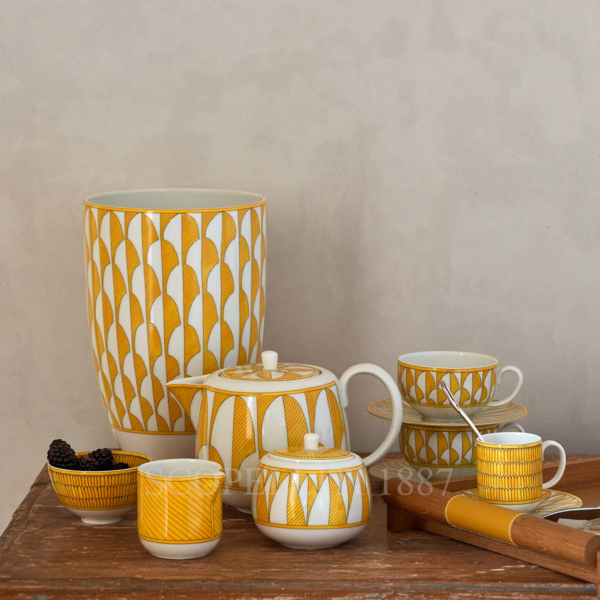
Porcelain. Hermès tableware, Ginori 1735 and Bernardaud turn everyday pieces into collectibles. A pair of Hermès mugs or a single hand-decorated plate can be more memorable than a full service, precisely because it is chosen rather than bought by the dozen.
Objets d’art. Fabergé remains the reference point for jewellery-level decorative objects. The house’s egg pendants and collectible eggs echo a tradition that goes back to the Imperial Easter commissions, a story we tell in more depth in Fabergé eggs, jewels of the imperial crown. For a recipient who values history, few objects say as much in so small a space.
Personalisation without losing elegance
Personalisation is the fastest way to make a gift unrepeatable. It is also the fastest way to make it look like a promotional item if done carelessly. The difference lies in restraint.
Engraving is the classic route. Initials on a silver tumbler, a date on the base of a crystal decanter, or a short line inside a presentation case all work because they are discreet. They reveal themselves to the owner rather than announcing themselves to guests. We generally advise against full names, logos and long dedications on the face of an object; they date quickly and reduce the piece’s versatility.
A second route is personalisation through selection. Choosing a Hermès pattern that echoes the recipient’s favourite equestrian event, a Fornasetti plate whose motif relates to their profession, or a Versace piece in the colour of their home is invisible to anyone else, yet perfectly legible to them. In our experience this approach often moves people more than engraving, because it proves you paid attention.
A practical note: engraving and custom work add lead time, sometimes several weeks for specialist silver. If the occasion is fixed, begin early and confirm what the house allows before committing, since some editions cannot be altered without affecting their collectible status.
Collectible and numbered editions
For the true collector, a numbered or limited edition turns a gift into an acquisition. Scarcity is not the only appeal. Limited runs frequently mark an anniversary, a designer collaboration or a technical experiment that a house will not repeat, which gives the object a documented place in the maker’s history.
Venini is a good illustration. Founded in Murano on 2 October 1921 by Paolo Venini and Giacomo Cappellin, the workshop has worked with Carlo Scarpa, Gio Ponti, Fulvio Bianconi and Tadao Ando, among many others, and its own history of the house notes re-editions of iconic pieces in numbered editions, as well as a limited edition of the Veronese vase for the centenary. A signed, numbered Venini vase is at once a functional object and a small chapter of twentieth-century design.
Fornasetti’s Tema e Variazioni series works in a similar way on a smaller scale. Collectors build wall compositions from individual plates, each a variation on the same enigmatic face, so a single well-chosen plate slots into an existing collection or starts a new one. Baccarat’s annual and seasonal pieces, and Lladró’s limited sculptures, follow the same logic.
When buying an edition as a gift, keep all certificates, the original box and any numbered documentation. For collectors these are not packaging: they are part of the object’s value and provenance.
Gifts by passion: matching the piece to the person
The most reliable way to narrow the field is to think about what the recipient loves doing, then find the finest object that serves it. Here is how we approach the four profiles we are asked about most often.
The host
Someone who entertains well already owns the essentials, so aim for the piece that elevates the table. A pair of crystal champagne coupes, a Christofle serving set, a Hermès platter or a caviar service each add a moment of theatre to a dinner. If the host has just moved, our selection of luxury housewarming gifts covers pieces for a new home specifically; for an established host, look instead for items that complete a collection they already use.
The whisky lover
This is where many gifts for men who have everything find their natural home, though the passion is certainly not limited to men. A heavy, well-balanced tumbler changes how a spirit is held and nosed. Baccarat’s Harcourt and Massena lines, Saint-Louis’s Tommy pattern and Lalique’s sculpted glasses all have devoted followings. Pair a set of two with a crystal decanter and you have a gift that will be used every week. Keep it to two glasses rather than six: it suggests a shared ritual rather than a bar stock.
The collector
Collectors have strong opinions, so the safest approach is to extend what they already collect, or to offer something documented enough to stand on its own. Fabergé pendants and eggs, numbered Venini glass, Lalique crystal sculptures and limited Lladró figures all come with the provenance collectors expect. If you are unsure what they already own, a discreet conversation with a partner or a quick look at their shelves is worth more than any guesswork.
The design lover
Design enthusiasts respond to authorship. Fornasetti, Jaime Hayon’s work for Lladró and Bosa, Rosenthal Studio-line pieces or a Venini vase by a named designer all satisfy this instinct. Look for pieces that carry a clear idea: a shape that could only have come from one hand, a pattern that is instantly recognisable. A single strong object is better than a cluster of smaller ones.
How to choose when budget is not the issue
Removing the budget constraint sounds liberating, but it can make the decision harder. Without a natural limit, gifts can drift towards the conspicuous. A few rules keep the choice grounded.
First, scale the gift to the relationship, not to the wallet. A monumental object from a colleague can feel uncomfortable; the same piece from a spouse on a milestone anniversary feels right. Second, choose one exceptional thing rather than several good ones. A single Puiforcat piece says more than a basket of accessories. Third, check the practicalities: will a large crystal centrepiece fit the recipient’s home, and does the porcelain suit how they actually live?
Fourth, think about presentation. Houses such as Hermès, Baccarat and Fabergé deliver their pieces in boxes that are part of the experience, and a handwritten card explaining why you chose this object adds the layer of meaning that no catalogue can supply. Finally, consider after-care. A gift that comes with guidance on cleaning silver or storing crystal shows that you expect it to be used, not kept in its box.
If you are still undecided, our broader collection of gift ideas chosen for elegance and style groups pieces by occasion, and our curated page of designer and luxury gifts brings together objects from the houses mentioned in this guide.
Common mistakes to avoid
Most disappointing gifts in this category share a small number of causes. The first is buying for yourself: choosing what you would love rather than what the recipient would use. The second is mistaking a logo for a gift. A recognisable name is a starting point, not an argument. The third is ignoring the recipient’s existing style; a baroque Versace piece in a minimalist home can feel like a statement about the giver rather than a present for the owner.
A quieter mistake is buying a set when a single piece would do. Sets are wonderful for weddings and new homes. For someone who already owns full services, one extraordinary item is usually more welcome. And, finally, do not overlook the card. It is the one part of the gift that cannot be bought.
Key takeaways
The best gifts for someone who has everything are chosen with attention rather than bought for novelty. Start from a ritual the recipient enjoys, such as hosting, pouring a whisky or arranging flowers, and find the finest object that serves it. Favour houses with real provenance, including Baccarat, Puiforcat, Christofle, Lalique, Venini, Fornasetti, Hermès and Fabergé, because their history becomes part of the gift. Heirloom materials such as sterling silver, hand-cut crystal and fine porcelain can be repaired and passed on. Personalise with restraint: discreet engraving or a pattern that echoes a personal passion works better than names and logos. For collectors, numbered and limited editions add documented provenance; keep certificates and boxes. Match the gift to the person’s passion: the host, the whisky lover, the collector or the design lover. When budget is not a constraint, choose one exceptional piece over several good ones, scale it to the relationship, and add a handwritten note explaining your choice. Research on gift giving also suggests that objects which create shared, emotional moments strengthen relationships more than things that simply sit on a shelf.
Frequently asked questions about gifts for someone who has everything
What do you buy for someone who has everything?
Choose an object tied to a ritual they already enjoy, made by a house with genuine provenance and built to last for decades. A crystal decanter for the wine lover, a Puiforcat silver piece for the host or a numbered Venini vase for the design lover are good examples. Adding discreet personalisation or a handwritten note makes the gift impossible to duplicate.
What are good luxury gifts for men who have everything?
Pieces that serve a personal ritual are the most appreciated: a pair of Baccarat or Saint-Louis whisky tumblers with a matching decanter, an engraved silver tumbler, a Hermès desk or bar object, or a collectible Fabergé piece. Two exceptional glasses usually make a stronger impression than a full bar set.
Are experiences better gifts than objects?
Research by Cindy Chan and Cassie Mogilner found that experiential gifts tend to strengthen relationships more than material ones because they are more emotionally evocative. You can combine both: a beautifully made object that creates an experience every time it is used, such as champagne coupes or a caviar service, carries the emotional benefit and lasts for generations.
Is a personalised luxury gift a good idea?
Yes, if it is discreet. Initials or a date engraved on silver or on the base of crystal add meaning without reducing elegance. Avoid large logos or long dedications on visible surfaces, allow extra lead time for engraving, and check that customising a limited edition will not affect its collectible value.
A gift chosen with knowledge lasts longer
People who have everything are rarely short of possessions. They are short of objects that feel chosen for them. Start with what they love doing, look to houses whose history adds depth, and let restraint guide personalisation and scale. Whether it is a Fabergé egg for a collector or a pair of crystal tumblers for a quiet evening ritual, the right piece will be used, noticed and eventually handed down.
Our advisers have helped families choose meaningful gifts for more than a century and can suggest pieces, arrange engraving and prepare presentation for any occasion.
Contact us: speak with a Scopelliti 1887 gift adviser. Or discover the collection: browse the full range of luxury gifts and tableware.