
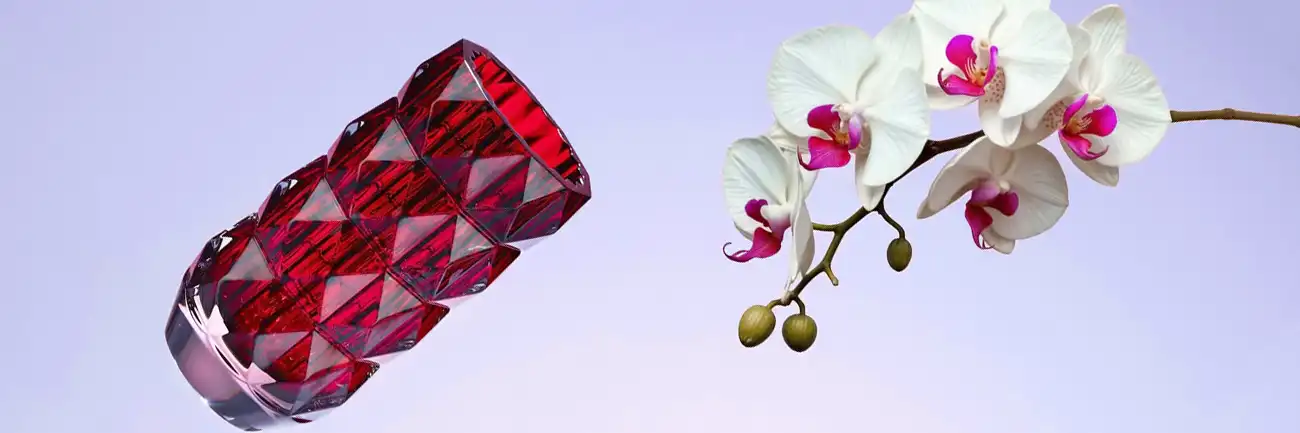
A crystal vase is one of the few objects that looks magnificent whether or not it is doing its job. Fill it with peonies and it frames them; leave it empty on a console and it becomes a sculpture in its own right. That dual life is exactly why it remains the most enduring piece of decorative crystal in the house — and why choosing one deserves more thought than simply picking a shape you like.
Why crystal, for a vase above all
Of everything made from crystal, a vase makes the strongest case for the material. Its mineral content bends light, so a cut surface throws refracted brilliance across a room in a way plain glass simply cannot. Set one where the afternoon sun reaches it and the effect is genuinely theatrical — the vase stops being a container and starts being a light source.
There is a practical dimension too. Crystal’s weight gives a vase the stability that a tall arrangement demands, and its clarity presents stems and water honestly rather than through a green haze. The craft traditions behind these pieces run deep — institutions such as The Corning Museum of Glass document centuries of it — and that heritage is what you are buying alongside the object.
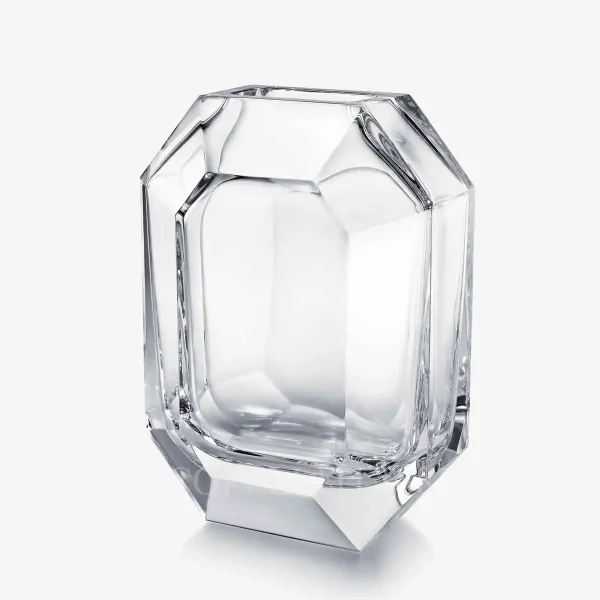
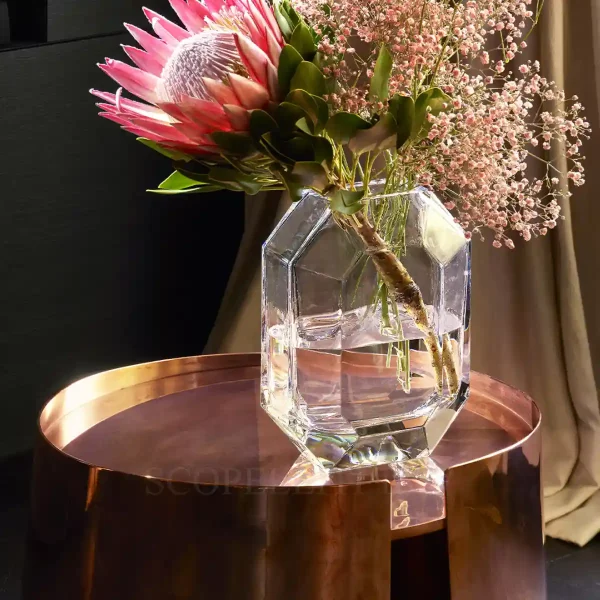
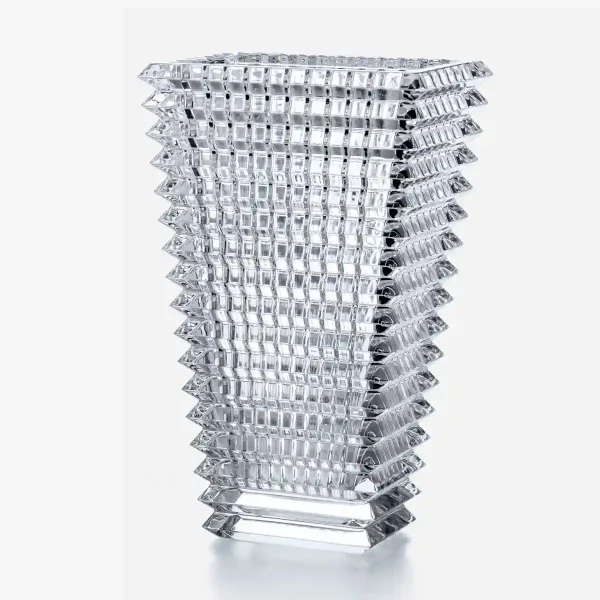
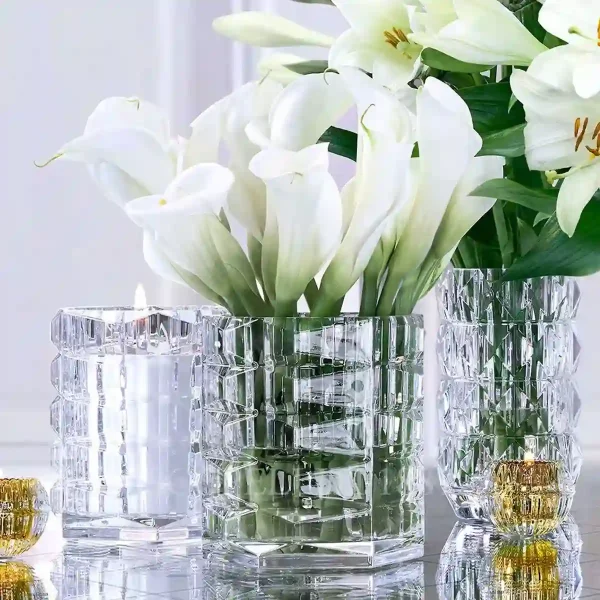
Shape decides everything
Before style, function. Get the shape wrong and even the most beautiful vase will fight your flowers all week.
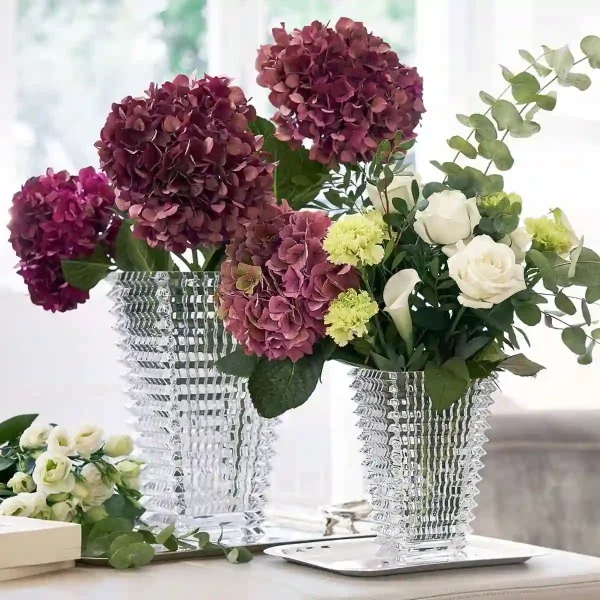
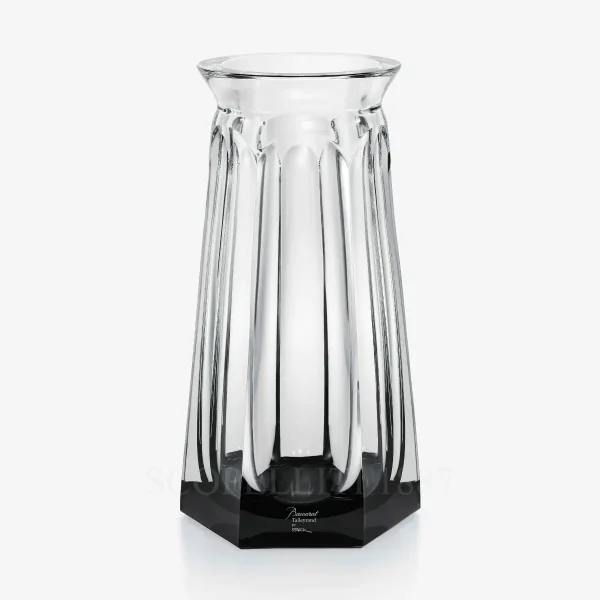
A trumpet or flared vase supports long-stemmed flowers and lets them fan naturally at the top — ideal for lilies, gladioli and dramatic height. The cylinder is the disciplined modern choice: it holds stems upright and tightly gathered, perfect for a structured arrangement or a single architectural branch. A bulbous or ginger-jar shape with a narrow neck does the arranging for you, because the constriction naturally gathers stems into a generous dome — this is the shape that makes supermarket flowers look like they came from a florist.
The bud vase, meanwhile, is criminally underrated. A single perfect stem in a small crystal vase, repeated down the length of a dinner table, is more elegant than almost any large arrangement — and infinitely easier to see over. And a low bowl suits floating blooms and short, dense arrangements where you want the table, not the flowers, to hold the eye.
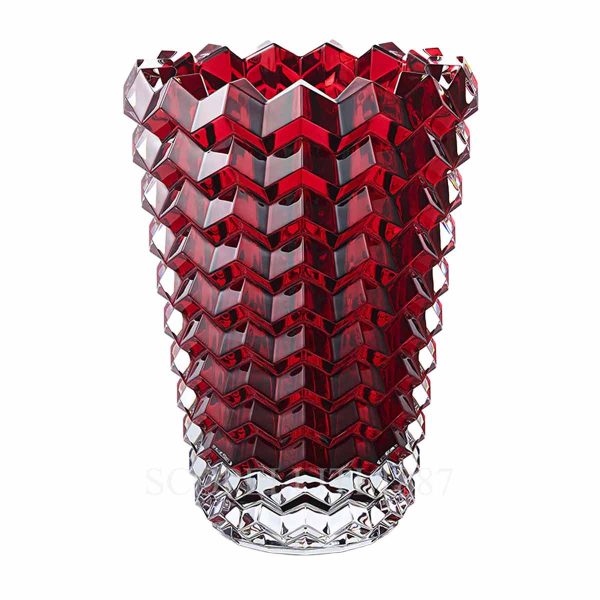
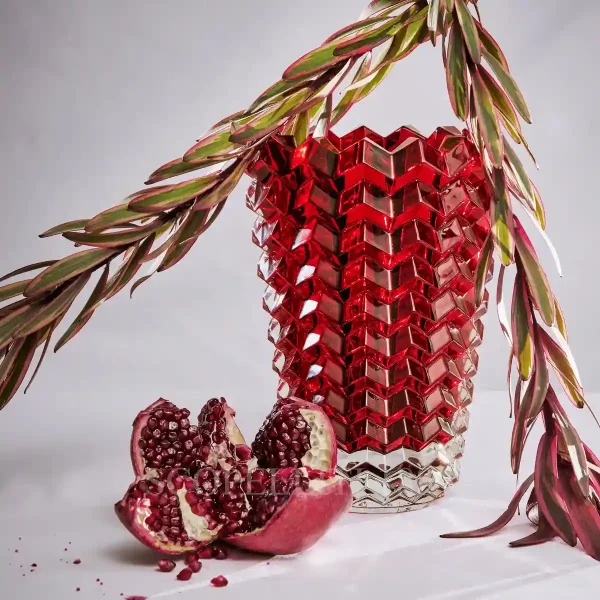
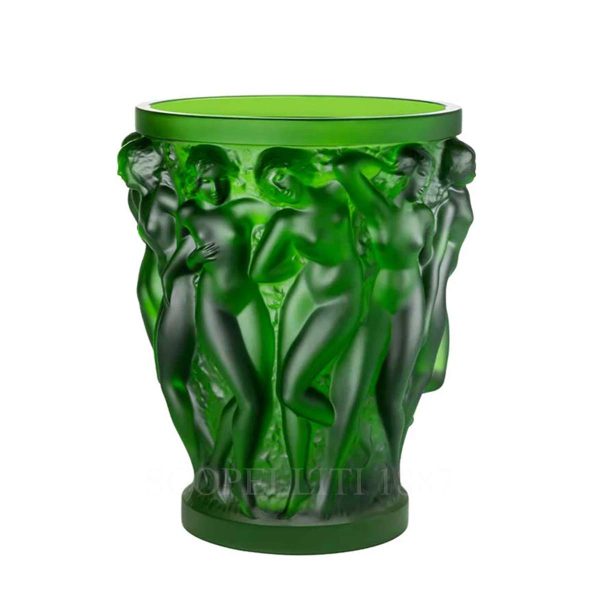
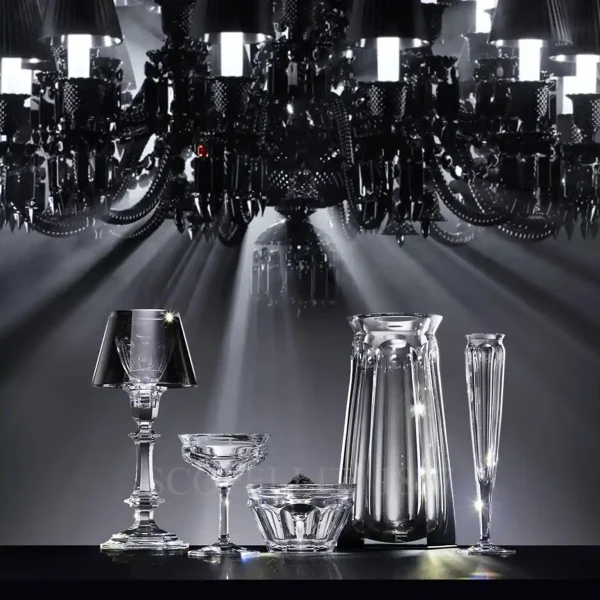
The styles, and the houses behind them
Crystal vases divide broadly into three aesthetic families, each with its masters.
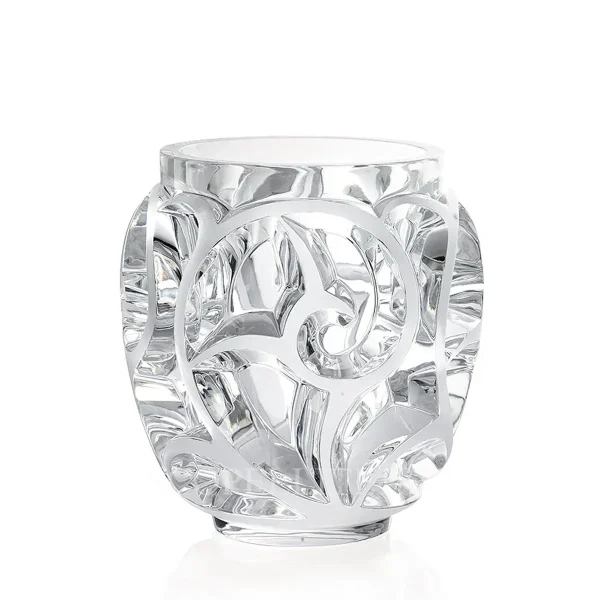
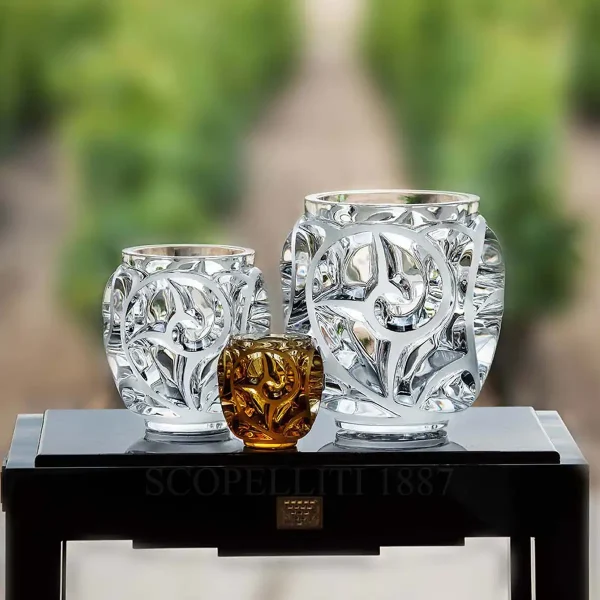
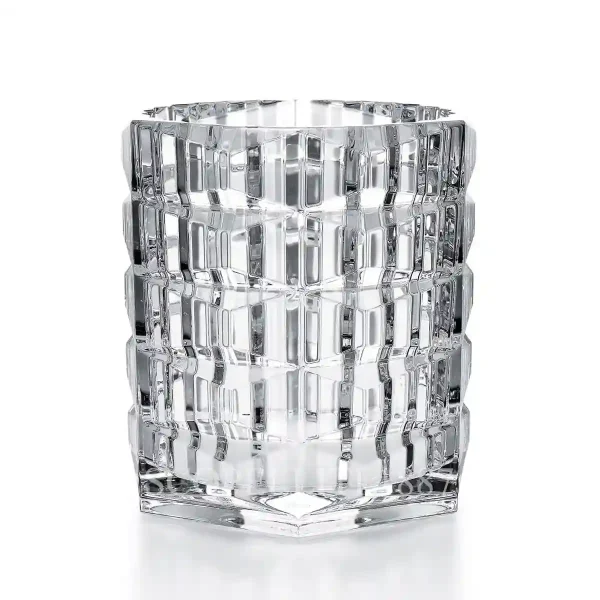
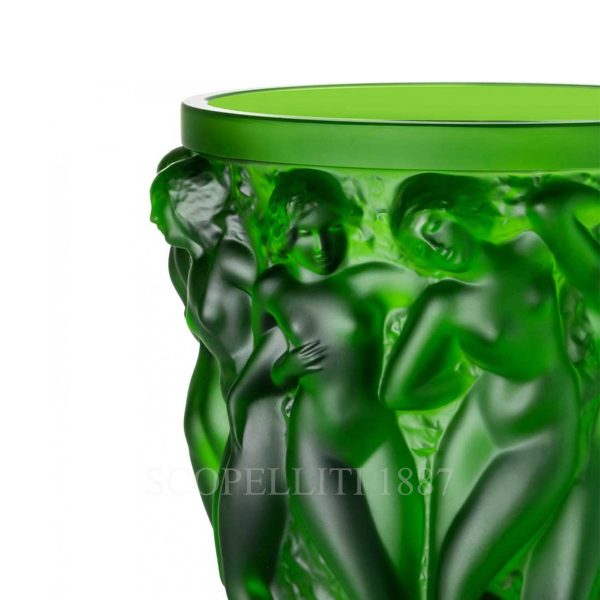
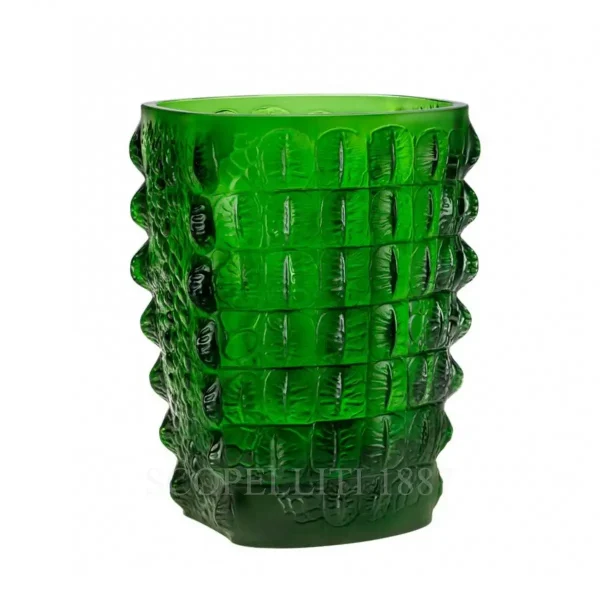
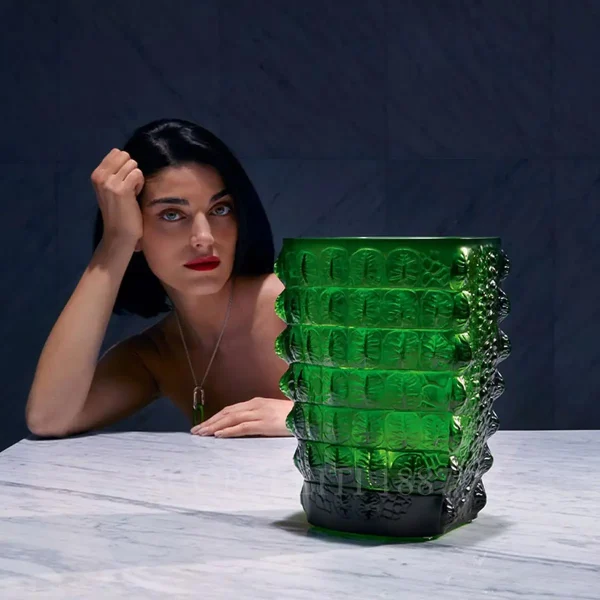
Cut crystal is the classic: deep, precise facets that catch and scatter light, brilliant and formal. Sculptural and frosted crystal takes the opposite approach — Lalique built its reputation on satin-finished surfaces and motifs drawn from nature, producing vases that read as art objects rather than vessels. Coloured crystal is the third family, whether Daum’s luminous pâte de verre in jewel tones or the fluid, vivid artistry of Murano glass from a house such as Venini. Each family sets a completely different tone in a room, and the character of these maisons is set out in our guide to the brands of crystal.
Which suits you? Cut crystal for a formal, traditional interior. Frosted sculpture for a room that wants a quiet focal point. Colour when the vase is meant to be the statement and the flowers merely the accompaniment.
How to judge quality before you buy
The same tests that apply to fine stemware apply here, and they take about ten seconds. Hold the vase to the light: it should be flawlessly clear, with no faint grey or green cast and no bubbles trapped in the body. Turn it and watch the facets — true crystal seems to gather light rather than merely reflect it. Tap the rim gently and listen for a clear, sustained ring rather than a dull clink.
Then look at the finishing, which is where craftsmanship hides. Are the cuts crisp and symmetrical? Is the rim smoothly polished? Does the base sit dead flat and give the piece a reassuring weight? Hand-cut work carries small, beautiful evidence of the craftsman that machine production never has. The full framework for assessing crystal is in our guide to luxury crystal glassware.
Styling a crystal vase well
Scale first: a vase should be roughly a third to a half the height of the finished arrangement, or the proportions will look wrong no matter how good the flowers. On a dining table, keep it low — anything that blocks eye contact across the table has failed at its job, however lovely it is. Consoles, mantelpieces and entrance halls are where height belongs.
Place it where light can find it. A crystal vase near a window or under a lamp does half its work for free. And do not feel obliged to fill it — a fine sculptural piece standing empty is a legitimate and rather confident decorating choice. Browse the full luxury vases and designer vases collection to see how differently each shape occupies a space.
Caring for a crystal vase
Water leaves its mark. Change it every couple of days and rinse the vase properly each time, because the cloudy ring left by standing flower water is far harder to remove once it has etched. Wash by hand in warm — never hot — water with a mild detergent, and keep fine crystal well away from the dishwasher, where detergents will dull the surface permanently.
For narrow necks, warm water with decanter beads or a soft bottle brush reaches what your hand cannot. Dry with a soft, lint-free cloth to prevent spotting, and store away from sudden temperature changes. Looked after this way, a crystal vase does not merely survive decades — it becomes the piece the next generation argues over.
Key points at a glance
A crystal vase works as both vessel and sculpture, refracting light in a way plain glass cannot while offering the weight that tall arrangements need. Choose the shape by function: trumpet for long stems, cylinder for structured modern arrangements, bulbous with a narrow neck to gather stems into a natural dome, bud vases for single stems along a table, low bowls for floating blooms.
Styles fall into three families — brilliant cut crystal, frosted sculptural work in the Lalique tradition, and coloured crystal such as Daum’s pâte de verre or Murano glass. Judge quality by clarity, brilliance, a clear ring, crisp symmetrical cutting and a flat, weighty base. Keep vases low on dining tables, place them where light reaches, change the water regularly and hand wash only.
Frequently asked questions about crystal vases
How can you tell if a vase is real crystal?
Hold it to the light — real crystal is water-clear with no grey or green tint and no bubbles, and it refracts light brilliantly. Tap the rim gently and listen for a clear, sustained ring rather than a dull clink. It should also feel substantial, with crisp, well-polished cutting.
What size vase do I need for my flowers?
As a rule, the vase should be about one third to one half the height of the finished arrangement. On a dining table choose a low vase or bud vases so guests can see over them; save tall pieces for consoles, mantelpieces and entrance halls.
How do you remove cloudiness from a crystal vase?
Warm water with decanter beads or a soft bottle brush will reach inside narrow necks and lift the ring left by standing flower water. Prevention works better: change the water every couple of days and rinse thoroughly, since marks etch over time. Never use a dishwasher on fine crystal.
Choose a piece that outlives the flowers
Flowers last a week. The right crystal vase lasts generations, and looks remarkable in every one of them. Match the shape to how you actually arrange, pick the aesthetic family that suits your rooms, and buy from a house whose craftsmanship you can see in the cut.
Discover crystal vases at Scopelliti 1887 — an authorized retailer of the great crystal maisons for more than 130 years. Explore our luxury vases and designer vases collection, or speak with our advisors for guidance.