About the Meissen Blue Onion Porcelain Collection
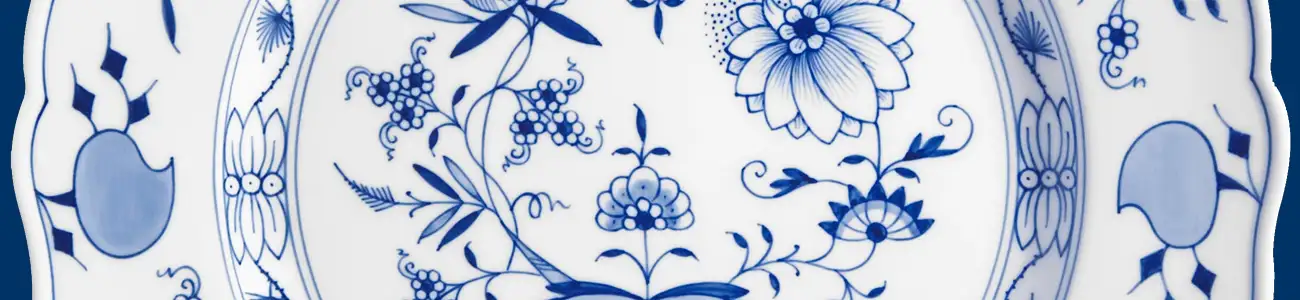
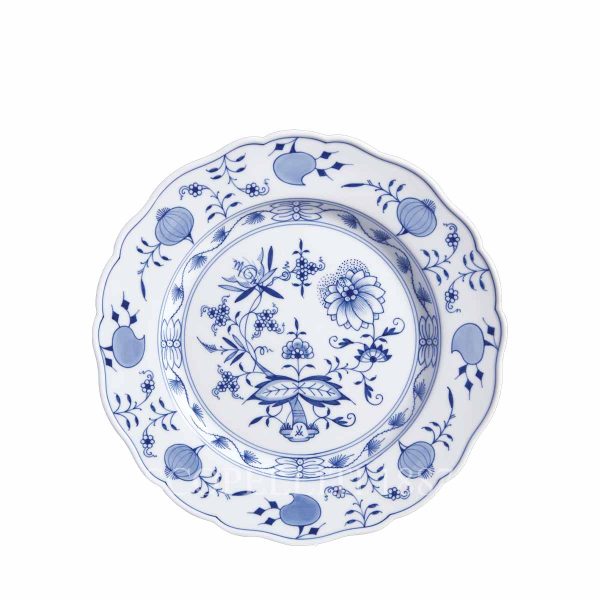
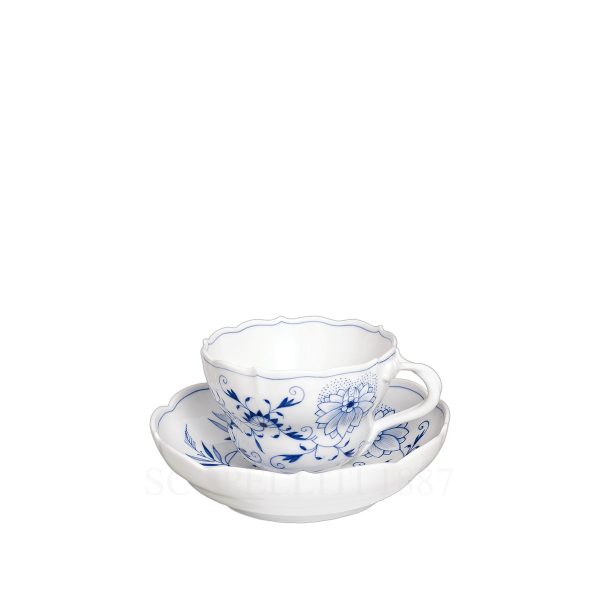
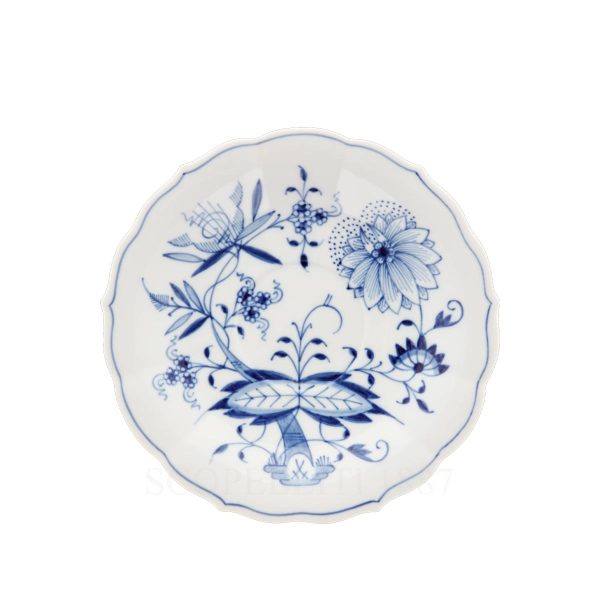
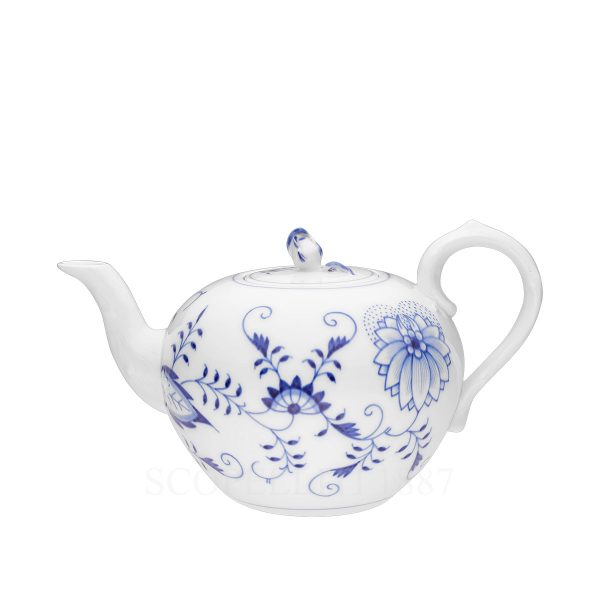
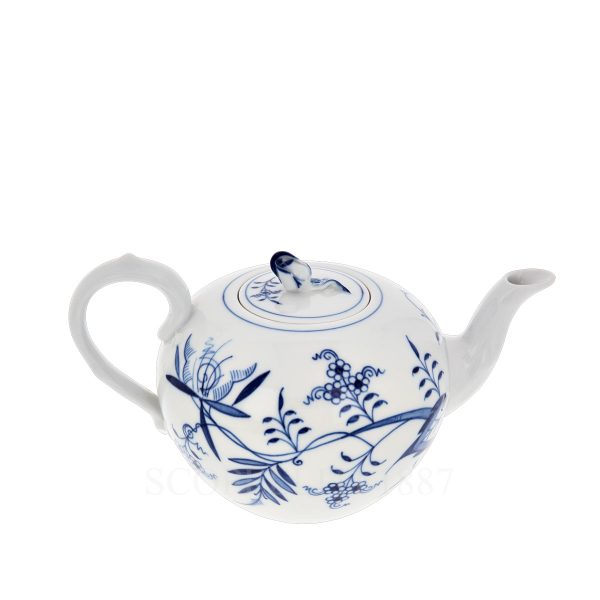
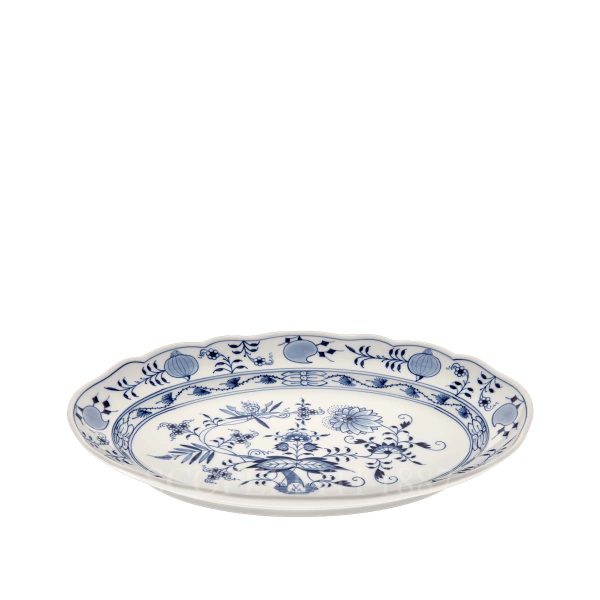
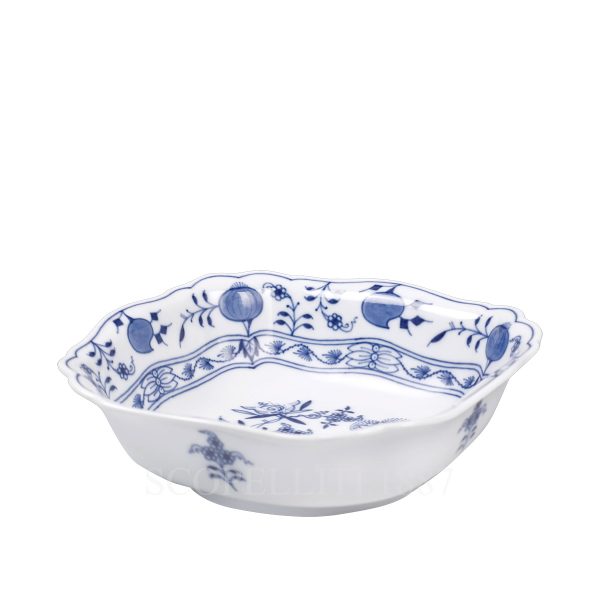
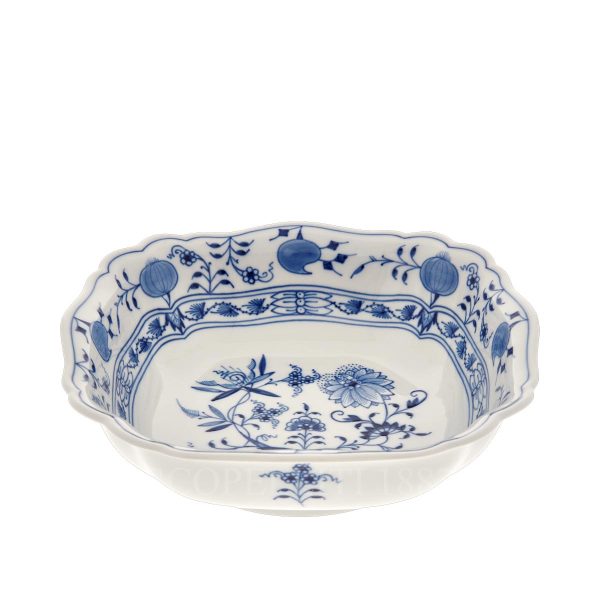
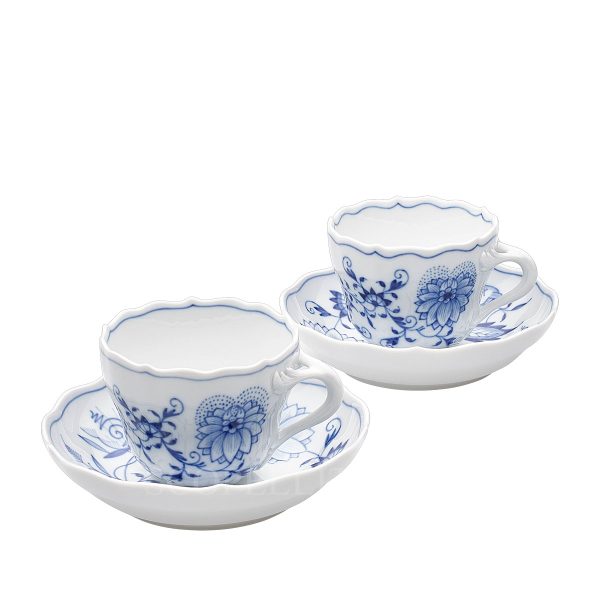
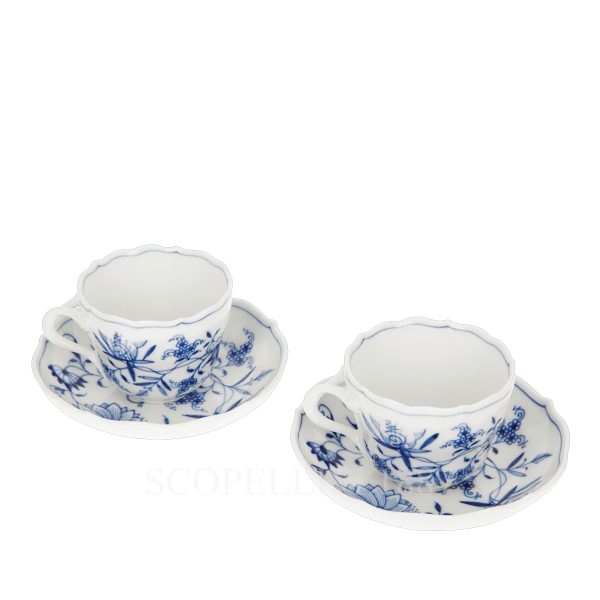
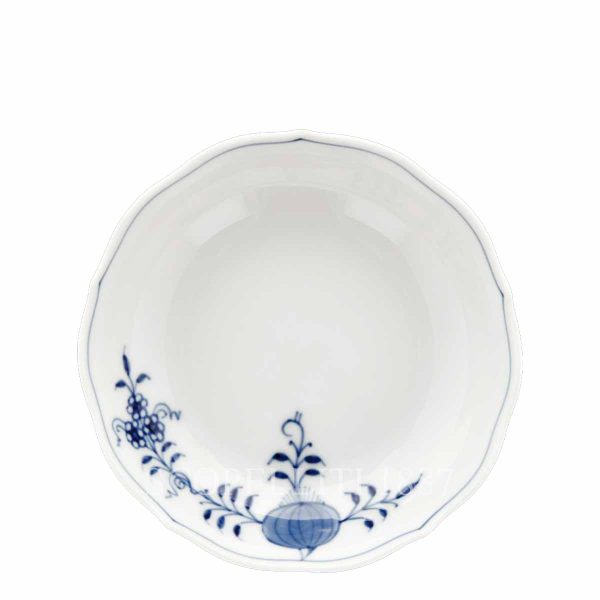
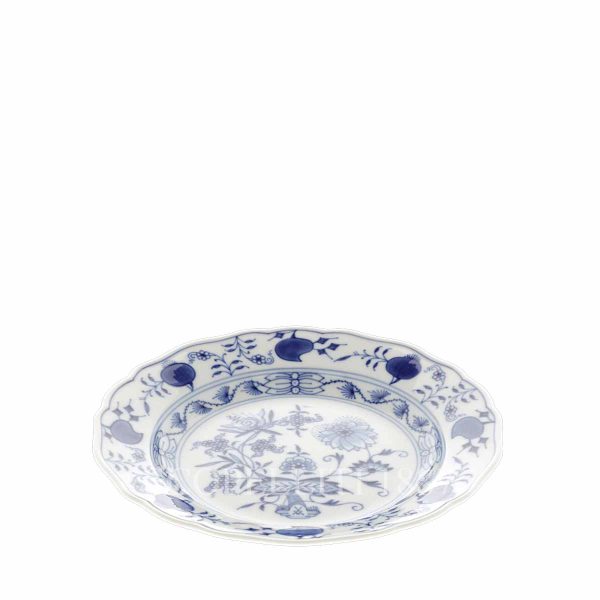
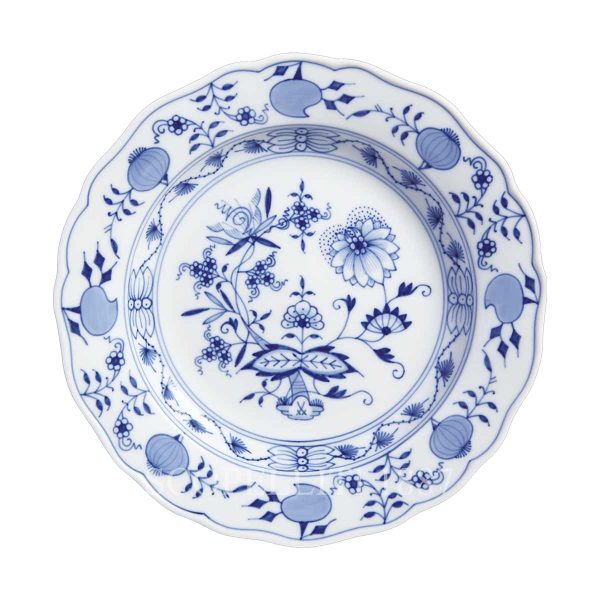
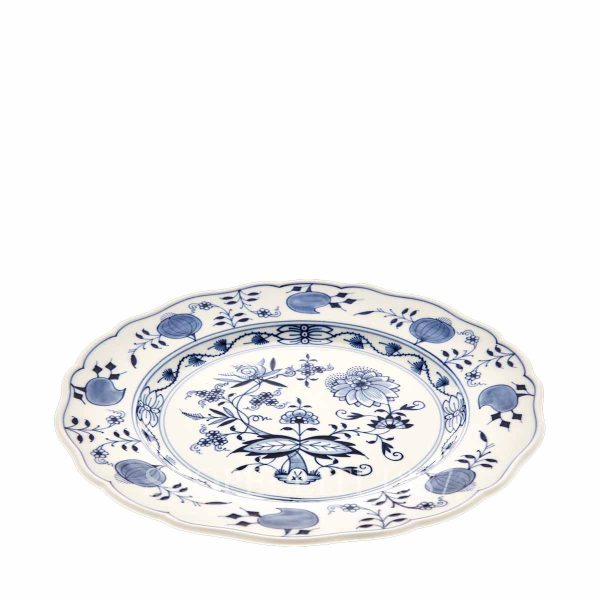
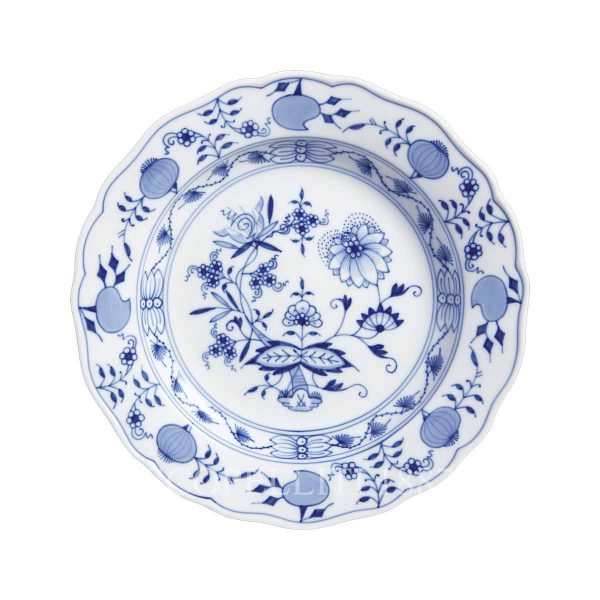
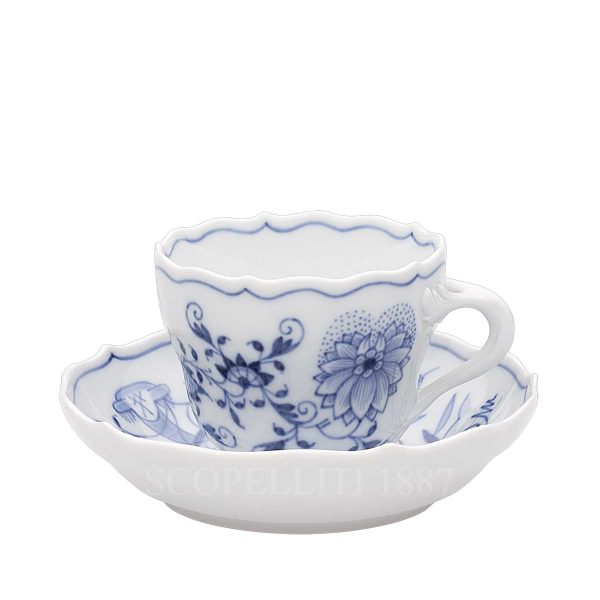
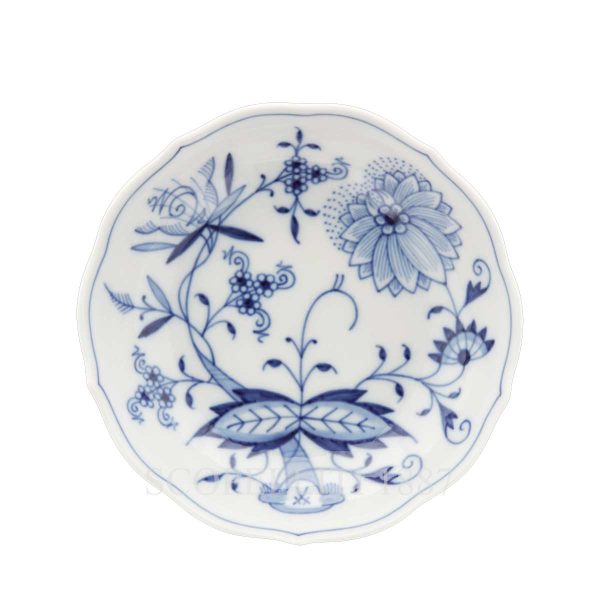
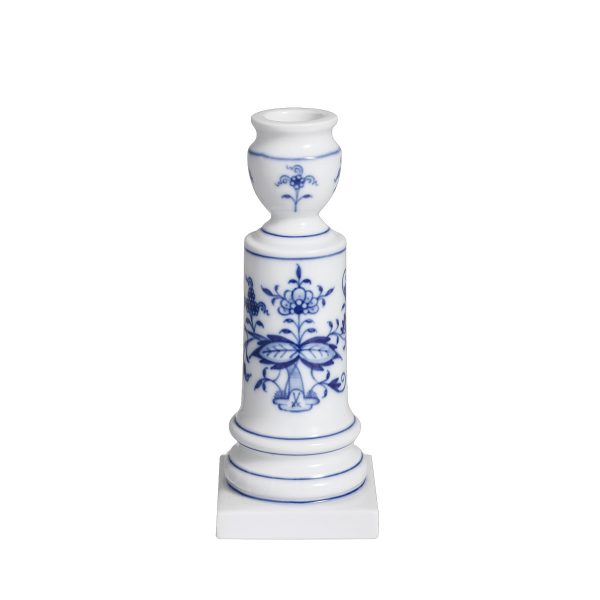
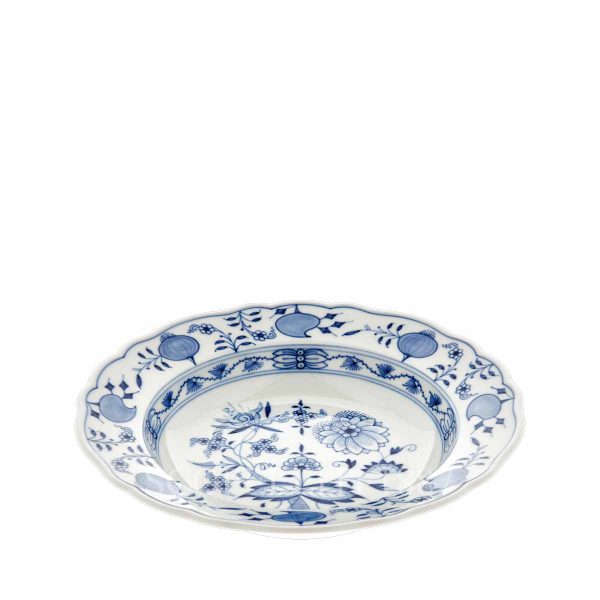
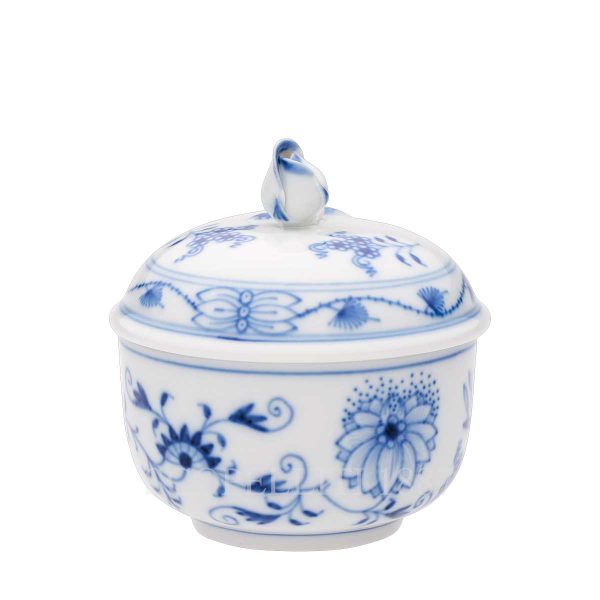
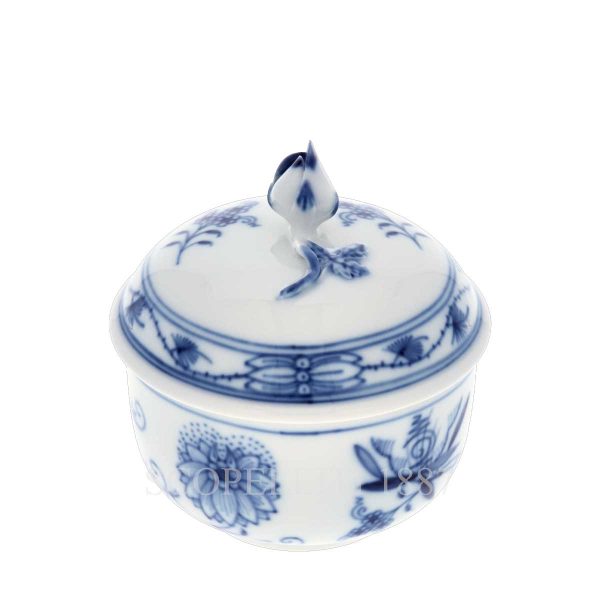
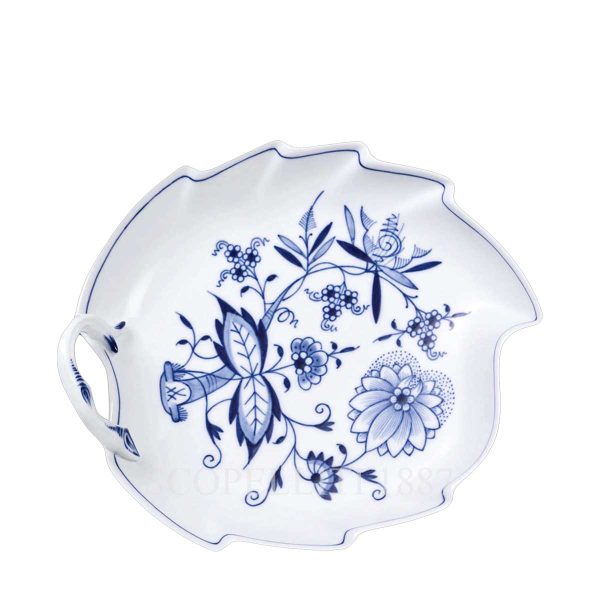
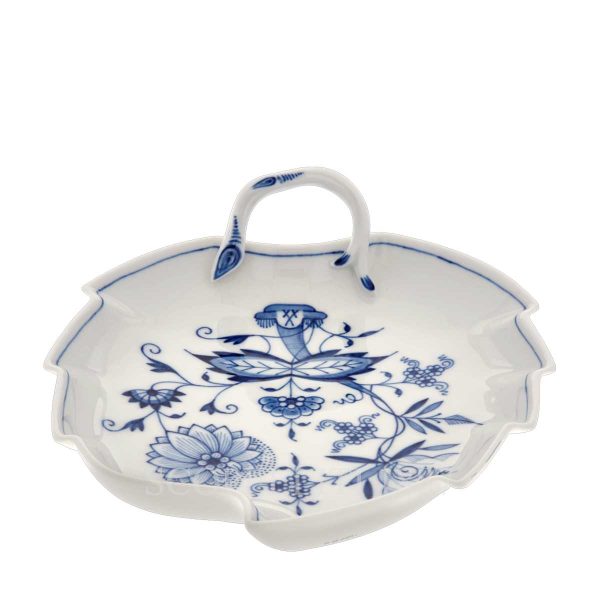
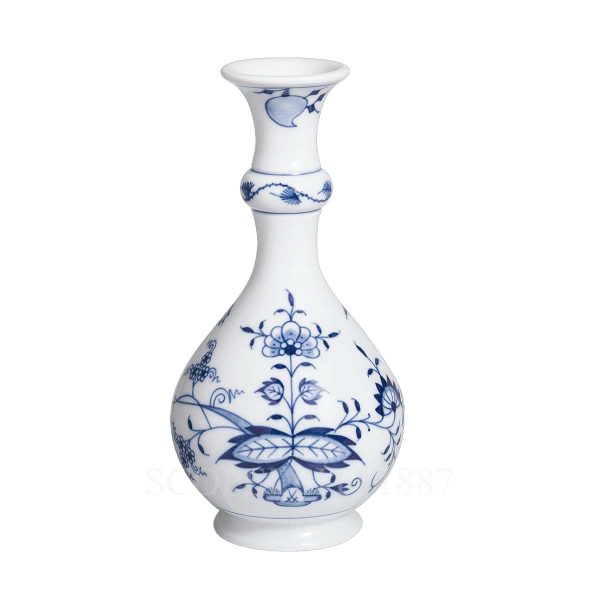
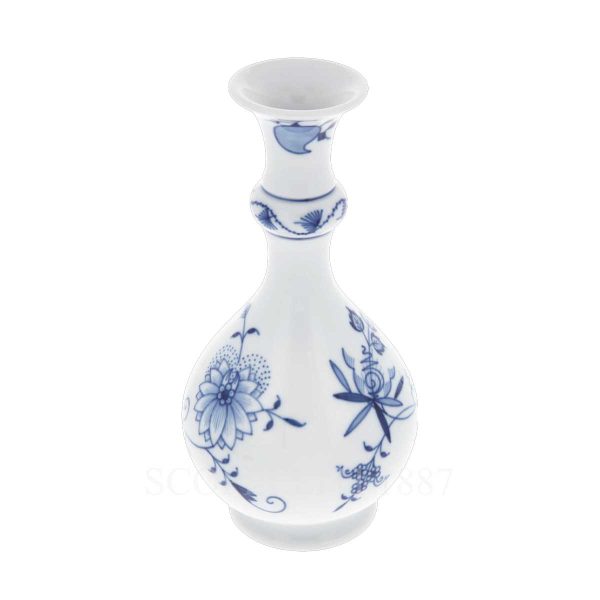
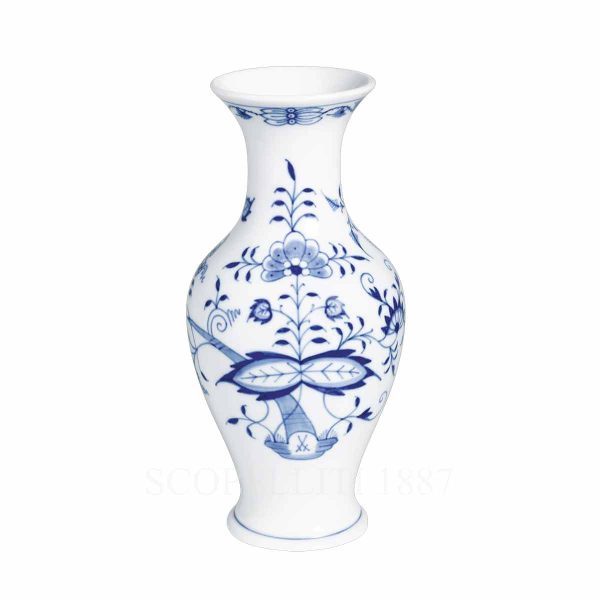
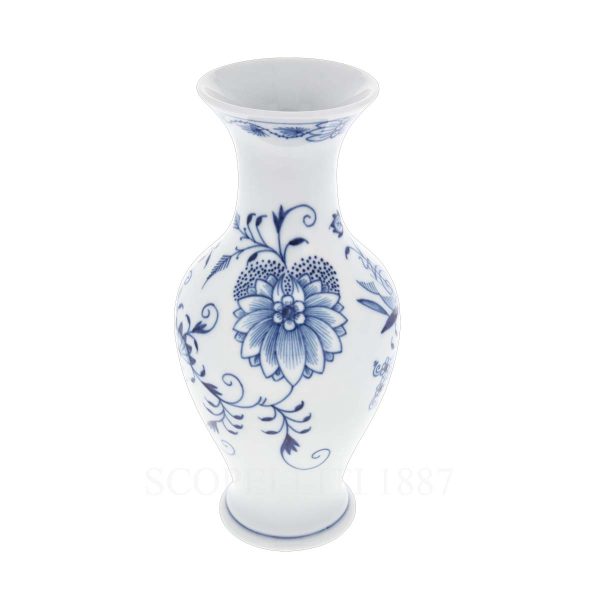
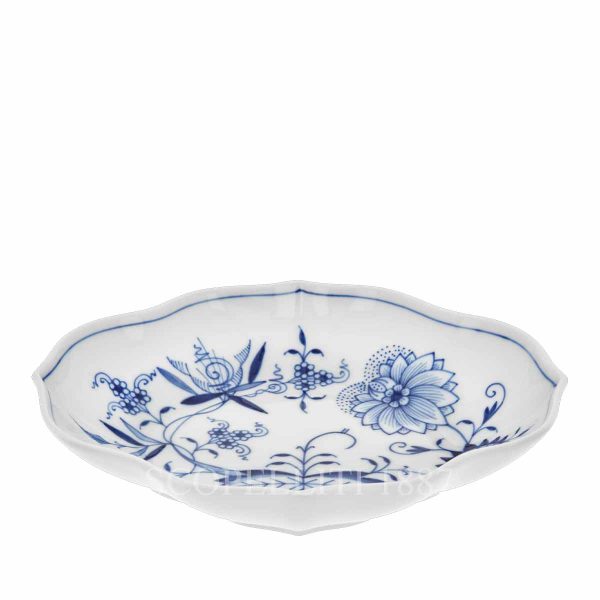
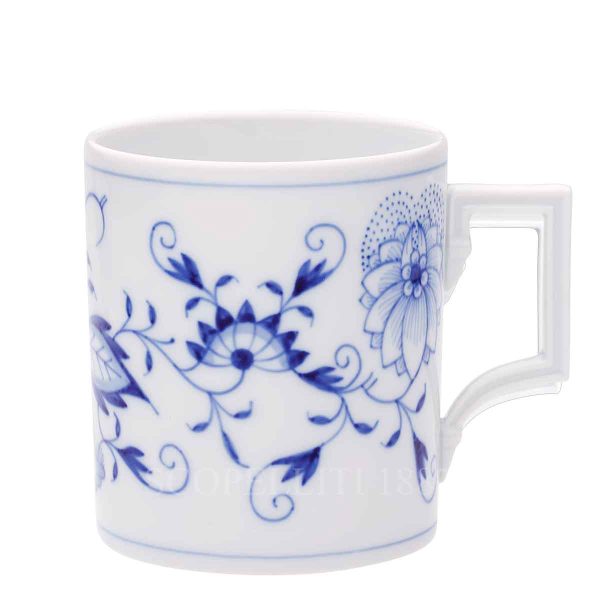
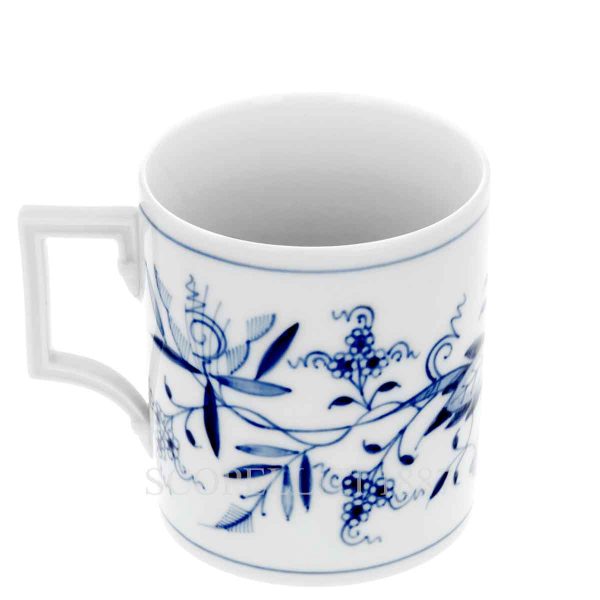
Blue Onion, known in German as Zwiebelmuster, is one of Meissen’s most celebrated porcelain decorations. Created in 1731, the pattern was inspired by the predominantly blue-and-white porcelain arriving in Europe from East Asia. Meissen’s development of its own cobalt-blue underglaze painting gave the decoration its characteristic brilliance and allowed the blue motifs to stand out against the pure white porcelain.
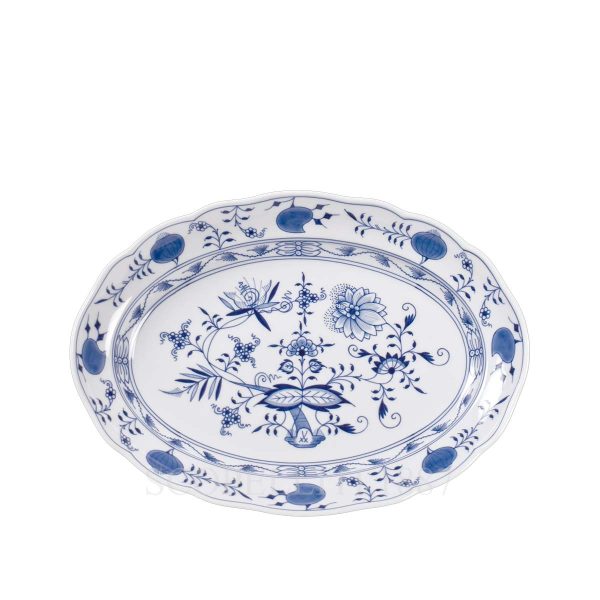
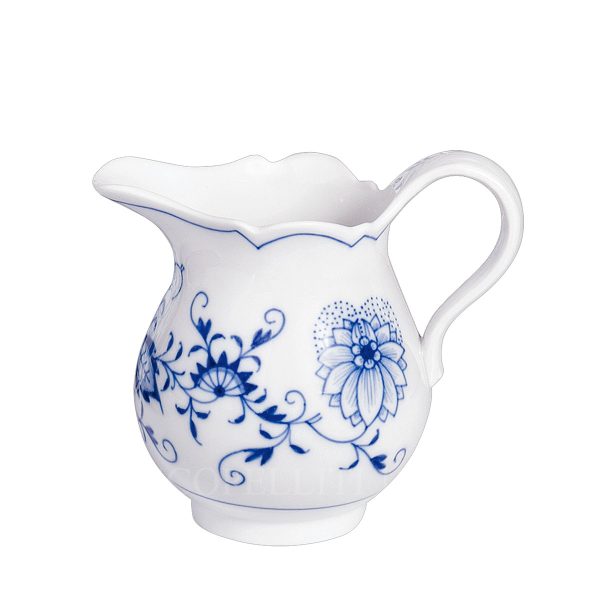
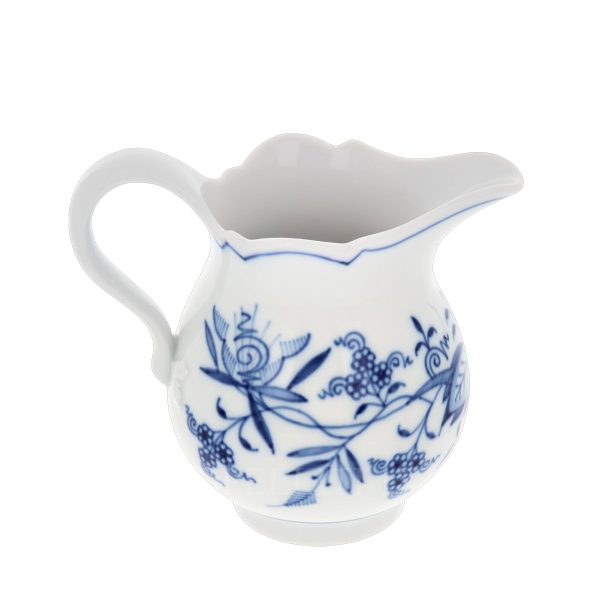
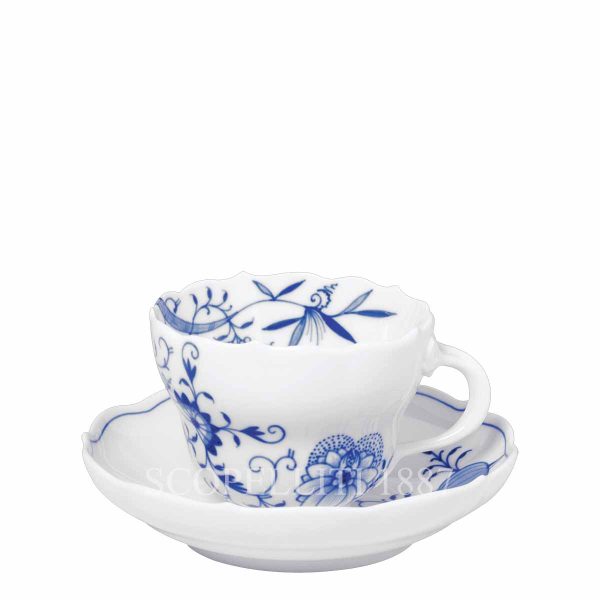
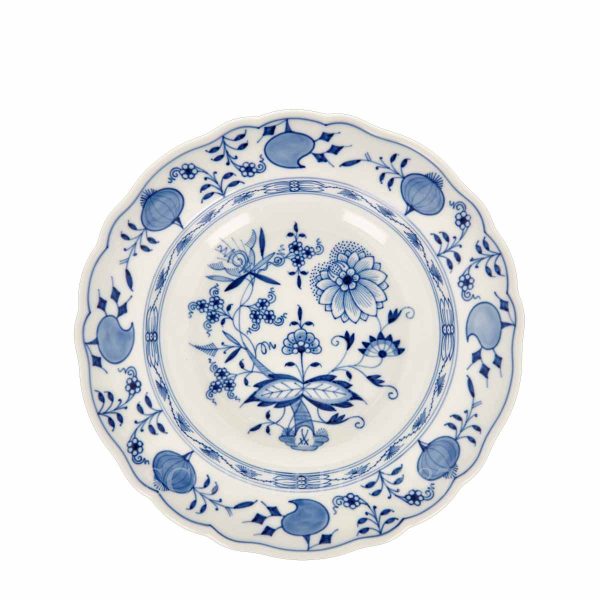
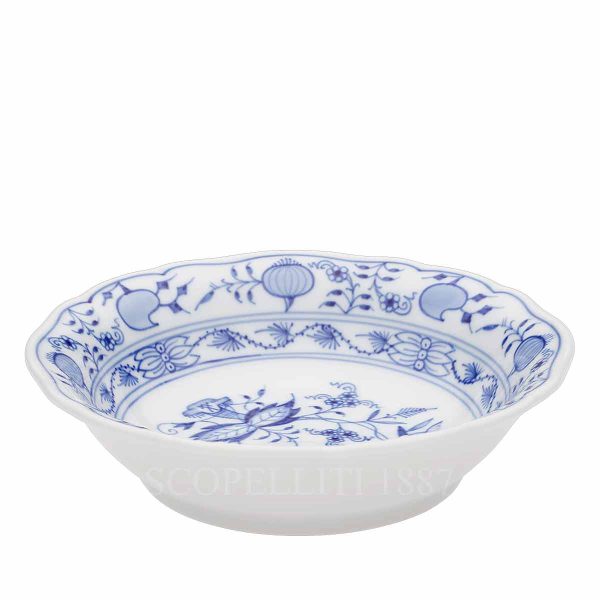
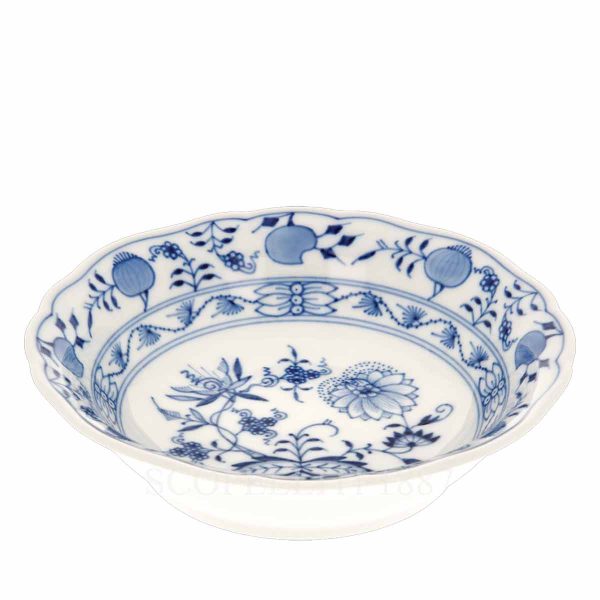
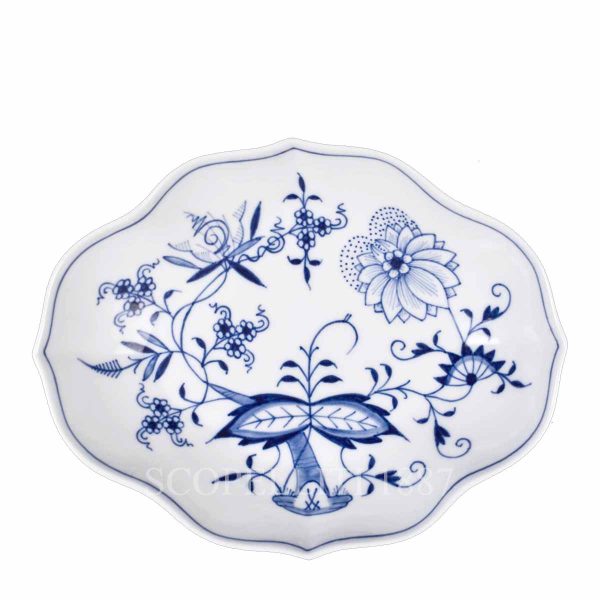
Despite its familiar name, the decoration does not actually depict onions. The motifs include stylised peaches and melons, bamboo and delicate chrysanthemum blossoms, reflecting the East Asian artistic influences that shaped early Meissen porcelain. The name “Onion Pattern” emerged later from the stylised appearance of the fruit motifs.
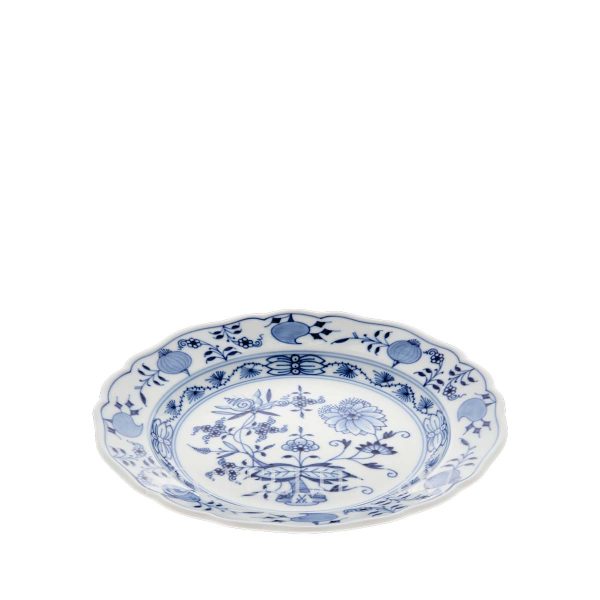
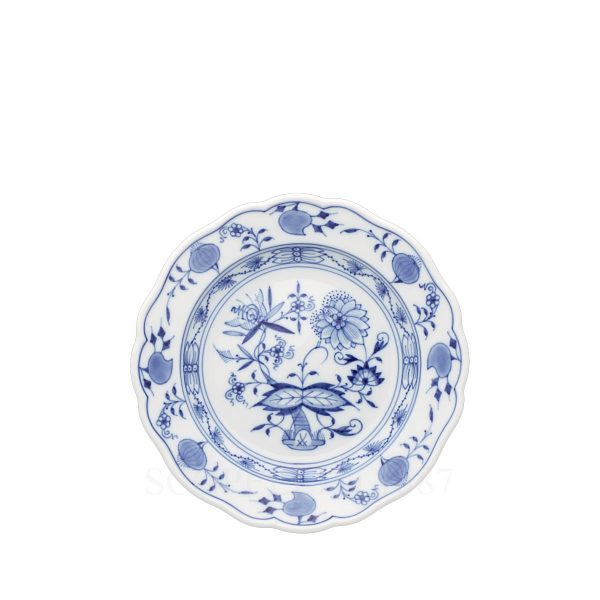
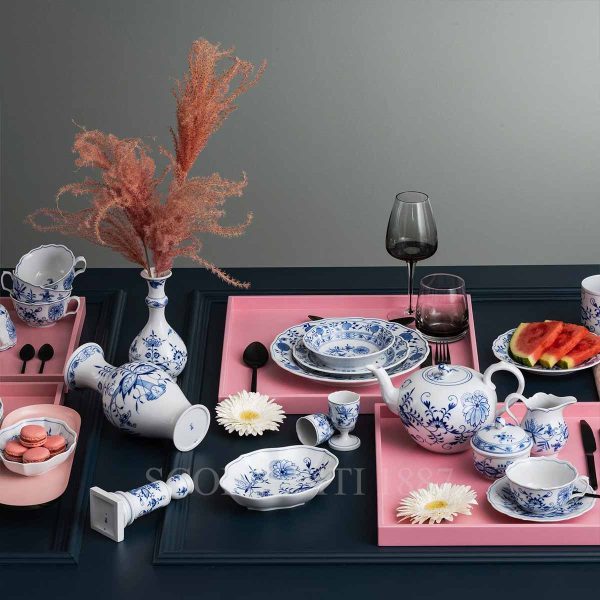
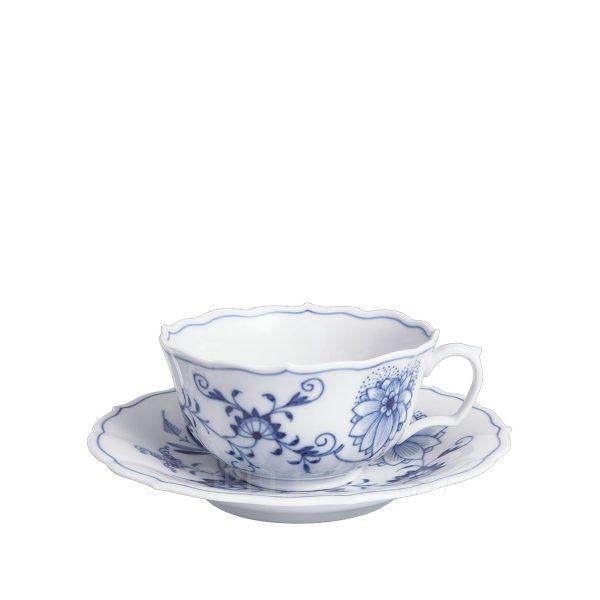
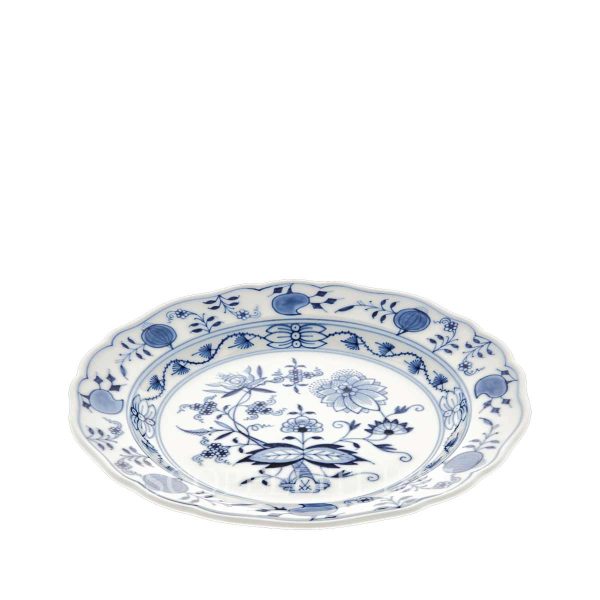
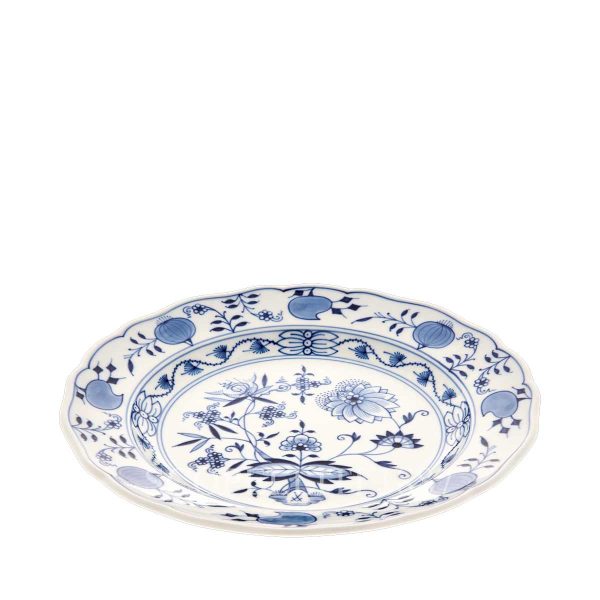
The New Cutout (Neuer Ausschnitt) form provides a particularly distinguished setting for the Blue Onion decoration. Developed under the influence of Meissen modeller Johann Joachim Kaendler, the form is recognised by its delicate, flower-petal-like contours, corrugated edge and characteristic sculptural details. The combination of the historic Blue Onion decoration with the elegant New Cutout form has become a defining expression of Meissen tableware.
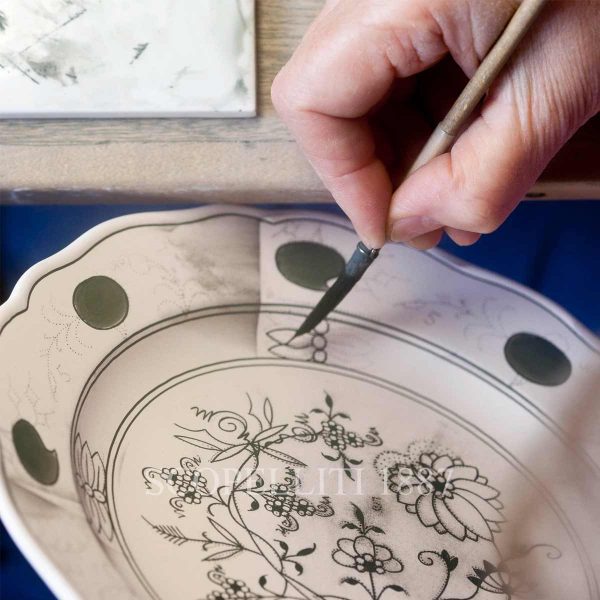
The decoration continues to be applied by specially trained Meissen painters using the manufactory’s cobalt blue in the traditional underglaze painting technique. This demanding process takes place before firing, giving the finished porcelain its distinctive depth, luminosity and durability.